Indiana’s Medical Device Advantage Was Built.
Keeping It Will Require Us to Build Faster.

Indiana did not become a leader in medical devices by accident. Its position was built over decades through manufacturing expertise, scientific discovery, entrepreneurship, workforce development, and a willingness to solve difficult problems.

But leadership is not permanent.

At BioCrossroads’ August FrameWORX program in Bloomington, more than 160 leaders from industry, academia, healthcare, workforce development, and economic development came together to consider what Indiana must do to ignite its next wave of medical device growth.

The day began with tours of Cook Medical, Simtra BioPharma Solutions, and Singota Solutions before moving to Ivy Tech Bloomington for a series of conversations spanning diagnostics, minimally invasive technologies, implantables, orthopedics, advanced manufacturing, talent, and regional growth.

Together, those conversations pointed to a clear conclusion: Indiana has the assets to lead, but its future position will depend on how quickly and intentionally it puts them to work.

Starting from a position of strength

Indiana’s medical device sector employs more than 18,000 people, with jobs concentrated at approximately twice the national rate. The state has distinct strengths across three major areas of the industry: diagnostics, minimally invasive technologies, and implantable devices, including orthopedics.

Global companies such as Roche Diagnostics, Cook Medical, Boston Scientific, and Zimmer Biomet operate alongside emerging companies, research institutions, healthcare systems, and specialized manufacturing partners. Indiana is also home to nationally recognized biomedical engineering, biotechnology, and workforce-training programs.

Recent investments demonstrate what can happen when those assets are connected.

The newly awarded National Science Foundation Regional Innovation Engine focused on musculoskeletal health brings together more than 170 partners from industry, research, clinical care, and higher education. The initiative will receive an initial $15 million, with the potential for as much as $160 million over 10 years.

It is a significant opportunity to extend Indiana’s orthopedic expertise beyond any single company or community and build a more connected statewide innovation ecosystem.

Still, the data also underscores the urgency of the work ahead. From 2018 to 2022, medical device employment in Indiana declined by approximately 6 percent. From 2010 to 2020, Indiana recorded the lowest medical device GDP growth among the 50 states.

Other states and countries are moving quickly to attract the same companies, investment, innovation, and talent.

Indiana cannot rely on the strength of its history to secure its future. 

In his keynote address, Cook Group and Cook Medical President Pete Yonkman challenged attendees to consider whether institutions, companies, and communities have become too accustomed to studying opportunities instead of acting on them.

He described this pattern as “drift,” a gradual movement away from building and toward waiting, planning, and avoiding risk.

Yonkman illustrated the idea through a recent conversation with Cook Medical interns. When asked how they felt about artificial intelligence, most expressed concern. They worried about jobs, their career paths, and the wider effects of the technology. At the same time, every intern acknowledged using AI.

Their perspective began to change when the conversation moved away from what AI might do to them and toward what they could build with it.

Cook Medical is already using AI to evaluate device designs, monitor manufacturing processes, reduce the potential for quality problems, and accelerate product development. When the interns saw how the technology could help them solve meaningful problems, fear gave way to curiosity.

The lesson extends well beyond AI.

People become more confident with unfamiliar tools when they have an opportunity to use them, learn from mistakes, and see how their work contributes to a larger purpose. Companies and communities develop the ability to build by building.

Yonkman left the audience with a question that carried through the remainder of the program: What would it take for Indiana to become the fastest-learning and fastest-building life sciences ecosystem in the country?

Innovation requires more than an idea

Across four panel discussions, industry and ecosystem leaders explored how that challenge is playing out throughout the medical device sector.

In diagnostics, advances in precision medicine, biomarker discovery, automation, and data are making it possible to identify diseases earlier and connect patients with treatment more quickly. Capturing that opportunity requires closer relationships among researchers, entrepreneurs, diagnostic companies, healthcare providers, investors, and regulatory experts.

For minimally invasive devices, innovation increasingly depends on the ability to combine disciplines. Smaller and more precise devices are being developed alongside advances in imaging, robotics, artificial intelligence, materials science, and advanced manufacturing.

The opportunity is significant, but moving a product from an early concept to patient care remains expensive and complex. Entrepreneurs need access to experienced mentors, clinical partners, capital, manufacturing capabilities, and leaders who understand how to navigate regulatory and commercialization pathways.

Indiana has many of those resources. The greater challenge is making them easier to find and connect.

The discussion of implantables and orthopedics offered a tangible example of what that connection can produce. Indiana’s emerging musculoskeletal innovation engine is creating a structure through which researchers, manufacturers, clinicians, entrepreneurs, and workforce partners can pursue opportunities together.

That model reflects a theme heard throughout the day: Indiana is strongest when it operates as an ecosystem rather than a collection of individual assets.

Growth also depends on place

The program concluded by focusing on the Indiana Uplands, an 11-county region where life sciences account for approximately 16 percent of total employment.

The region has an unusual concentration of assets, including major life sciences employers, Indiana University, Ivy Tech Community College, Naval Surface Warfare Center Crane, entrepreneurship resources, and experienced workforce and economic development organizations.

But companies cannot grow where people cannot build lives.

Housing, infrastructure, education, quality of place, and access to career opportunities are all part of a competitive life sciences strategy. The Uplands conversation reinforced that industry growth and community growth cannot be treated as separate priorities.

Indiana must create places where companies can expand, entrepreneurs can build, and people can see a future for themselves and their families.

The next advantage will be built together

Indiana already possesses many of the capabilities needed to lead the next generation of medical devices. It can invent new technologies, make them at scale, and move them to patients around the world.

The question is whether the state can connect those capabilities and move with the speed the moment requires.

That means giving people the tools to experiment and learn. It means helping promising ideas cross the distance between research and commercialization. It means strengthening the communities that support companies and workers. And it means replacing institutional drift with a shared willingness to build.

Indiana’s medical device advantage was built by people who saw what was possible and acted.

Its next wave of growth will be built the same way.

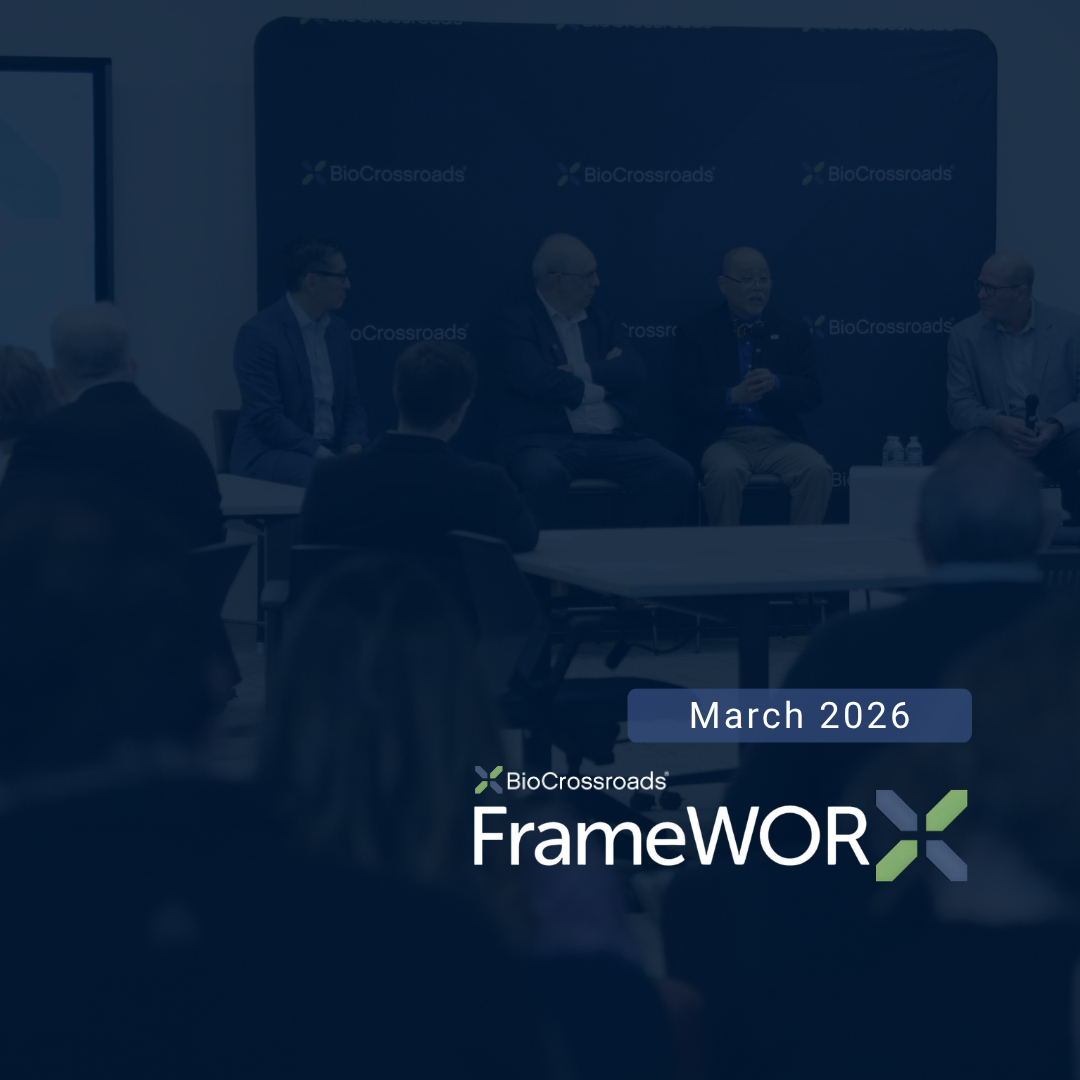
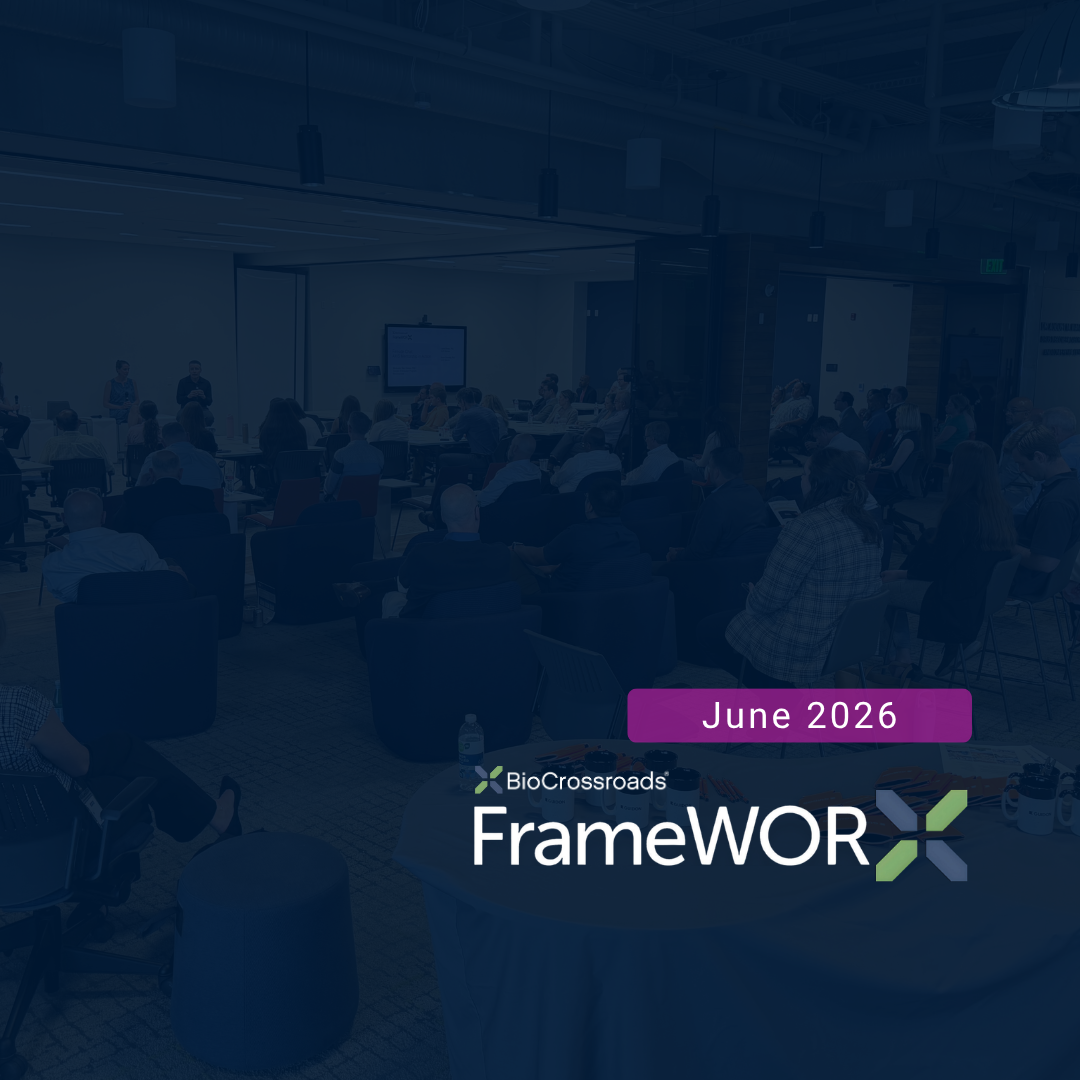
2026 FrameWorx series

A Platform for Progress

Each FrameWORX event brings Indiana’s life sciences community together around the critical topics that require shared expertise, new partnerships, and coordinated action. Through focused discussion and meaningful connection, FrameWORX helps turn shared expertise into new ideas, partnerships, and progress.
FOR IMMEDIATE RELEASE
Thursday, Aug. 27, 2026

Bristol Myers Squibb expansion set to create high-wage jobs, advance radiopharmaceutical innovation in Indiana


INDIANAPOLIS – Indiana Governor Mike Braun today announced RayzeBio, Inc., a Bristol Myers Squibb Company, plans to significantly expand its life sciences footprint in Indiana, further solidifying the state’s reputation as the Radiopharmaceutical Capital of the World . The company will further its investment in its radiopharmaceutical manufacturing operations, establishing a new facility in Whitestown and creating up to 100 new, high-wage jobs at its Indianapolis and planned Whitestown locations by the end of 2029.

“As a state, we are investing in our life sciences sector like never before, with plans to invest $1 billion and create 100,000 new jobs over the next 10 years,” said Gov. Braun. “RayzeBio’s expansion and planned job creation will contribute to this growth, advancing life-changing solutions used across the world while creating even more high-wage career opportunities that allow Hoosiers to thrive.”

Bristol Myers Squibb, through RayzeBio, a clinical-stage life sciences company, expects to invest more than $173 million in its central Indiana operations, establishing an approximately 450,000-square-foot, state-of-the-art facility at the Anson Industrial Park in Boone County. The company’s expected expansion will grow its capacity to produce the next generation of radiopharmaceutical therapies (RPTs), which use radioisotopes to target and deliver internal radiation to cancer cells while seeking to reduce risk to the surrounding organs and healthy tissues, potentially delivering a better outcome for patients living with cancer.

The new facility, which is expected to begin construction this year, will complement RayzeBio’s current 77,000-square-foot RPT supply and manufacturing operation on the northeast side of Indianapolis, which is built to support clinical and commercial supply across the United States and worldwide. The company plans to hire for advanced manufacturing roles at both of its facilities, with average annual wages expected to exceed $130,000 annually.

“Indiana is an important part of our strategy to build the infrastructure needed to advance the next generation of radiopharmaceutical therapies,” said Ben Hickey, president of RayzeBio. “This investment expands our manufacturing capabilities, creates high-quality jobs, and strengthens our ability to deliver innovation for patients. We’re proud to grow our presence in Indiana and contribute to the state’s emergence as a leading hub for life sciences manufacturing.”

California-based RayzeBio was established in 2020 with the mission to advance cancer treatment and transform people’s lives. The company, which was acquired by Bristol Myers Squibb in 2024, is focused on advancing actinium-based RPTs and a pipeline of investigational drug development programs with the potential to be first-in-class and best-in-class. Current programs are aimed at addressing several types of solid tumors, including gastroenteropancreatic neuroendocrine tumors (GEP-NET), liver and prostate cancers.

RayzeBio’s expansion in Indiana supports the state’s efforts to build on its recognition as the Radiopharmaceutical Capital of the World, and is expected to support the Governor’s life sciences initiative – a commitment to investing $1 billion over 10 years in agricultural and life sciences to make Indiana the premier destination for human, animal and plant health. As part of this effort, the state is positioning the BioHeartland for new expansions and investments with the goal of creating 100,000 new jobs.

– 30 –

FOR IMMEDIATE RELEASE
Aug. 25, 2026

First INCAP apprentices start working at employers throughout the state

New pathway prepares students for in-demand jobs

The first high school students participating in the Indiana Career Apprenticeship Pathway (INCAP) are beginning their apprenticeships as schools across the state start the new academic year. Fifty sophomores and juniors will be INCAP apprentices at 25 employer locations across 15 communities statewide. (See list below of participating employers and schools).

INCAP is a new education and training pathway that prepares Hoosiers for in-demand careers and helps Indiana businesses find and train employees. INCAP is for high school and adult students, with adult career training programs starting later this fall.
Participating high schoolers split their time between the workplace and the classroom, spending multiple full days a week on the job to help ensure they gain in-demand skills while also making meaningful contributions to their employers. The students are paid by their employers and work year-round.

This year, the 50 high schoolers participating in INCAP are enrolled in one of six Apprenticeship Programs:

  • In Advanced Manufacturing and Logistics, four students are participating in the Polymechanic Apprenticeship Program.
  • In Banking/Financial Services, 25 students are participating in the Retail Banking Apprenticeship Program.
  • In Healthcare, 16 students are participating in the Healthcare Assistant Apprenticeship Program.
  • In Tech/IT, three students are participating in the IT Project Coordinator Apprenticeship Program, one is in the IT Support Technician Apprenticeship Program, and one is in the Software Development Associate Apprenticeship Program.

“Thousands of in-demand jobs across Indiana are waiting to be filled, and INCAP is a game-changing way to help students prepare for those opportunities,” said David Becker, CEMETS iLab Indiana co-chair and chairman and CEO of First Internet Bank, which hired three INCAP apprentices this school year. “With more than 100,000 new jobs expected in Indiana by 2033, we cannot afford to leave talent on the sidelines. Programs like INCAP connect students to meaningful careers while giving employers access to the workforce they need for the future.”

“In addition, not enough Hoosiers get the education and training needed after high school to meet labor market needs. By 2031, 72% of U.S. jobs will require some form of education or training beyond high school, and Indiana is not on track to meet that workplace reality,” said Claire Fiddian-Green, president & CEO of the Richard M. Fairbanks Foundation and co-chair of CEMETS iLab Indiana, the coalition of Hoosier leaders building INCAP.

INCAP increases options for Hoosiers
The new pathway’s combination of real-world skills training and classroom learning creates more opportunities for Hoosiers to prepare for their future career.

INCAP aligns with Indiana’s new high school diploma requirements, as the pathway provides a structure for students to earn at least 650 hours of work-based learning and a Credential of Value, which are requirements of the new Employment Honors Plus Seal. High schoolers will earn an INCAP credential or degree, while adults who complete an INCAP training program will earn an INCAP degree.

INCAP degrees and credentials are recognized as indicators of industry experience and hold value in the job market, so INCAP apprentices are prepared to enter the job market or pursue college. INCAP degrees and credentials will also count toward college credit in related degree programs across Indiana.

This recognition is enabled by the new Indiana Qualifications Framework, which aligns degrees and credentials earned in INCAP (and other work-based learning pathways) with academic programs and is overseen by the new Indiana Qualifications Advisory Panel (IQAP). After the IQAP coordinates an independent review process that includes industry experts and the Indiana Office of Education gives final approval, INCAP credentials are added to the state’s Credentials of Value list.

As a result, students can more easily transition between INCAP and the college pathway because the education and training they complete in the workplace is recognized for credit.

Looking ahead
Recruitment for the next cohort of INCAP apprentices will begin in January 2027. For the 2027-2028 school year, more than 15 apprenticeship occupations are expected to be available across eight industries with significant workforce needs: Advanced Manufacturing and Logistics, Banking/Financial Services, Construction, Healthcare, Hospitality, Insurance, Life Sciences, and Tech/IT.

Background
The Fairbanks Foundation is funding the creation and launch of INCAP, while CEMETS iLab Indiana — a coalition of more than 300 Hoosier leaders from various industries, K-12 schools, higher education, nonprofits, government, and philanthropic organizations — is leading the effort. Since 2016, the Fairbanks Foundation has awarded more than $25 million in grants to support youth apprenticeship pilot programming and the new education and training pathway now known as INCAP.

Modeled on a world-class system that has prepared Swiss youth and adults for careers since the 1970s, INCAP equips students and adults with the skills they need to succeed in the 21st century workplace and provides employers in key industries with the workers they need to compete on a global scale. iLab leaders have set an ambitious goal for the Indiana Career Apprenticeship Pathway: to provide education and training to 50,000 Hoosiers by 2034.

List of 2026-27 INCAP apprentices
The employers that have hired at least one INCAP apprentice by Aug. 19, 2026, are listed below.

Industry Occupation Employer Apprenticeship Location Apprentice’s Year in School Apprentice’s High School
AML Polymechanic Medartis Warsaw

11th

Triton in Bourbon
AML Polymechanic Medartis Warsaw

11th

Triton in Bourbon
AML Polymechanic PRD Springville

11th

Mitchell in Mitchell
AML Polymechanic PRD Springville

11th

Bedford North Lawrence in Bedford
Banking Retail Banker Citizens State Bank New Castle

11th

New Castle
Banking Retail Banker Citizens State Bank New Castle

11th

New Castle
Banking Retail Banker First Bank Midwest Frankfort

11th

Clinton Prairie
Banking Retail Banker First Federal Savings Bank Rochester

11th

Rochester
Banking Retail Banker First Internet Bank Fishers

11th

Hamilton Southeastern
Banking Retail Banker First Internet Bank Fishers

11th

Hamilton Southeastern
Banking Retail Banker First Internet Bank Fishers

11th

Hamilton Southeastern
Banking Retail Banker First Merchants Bank Indianapolis

11th

Lawrence Central
Banking Retail Banker First Merchants Bank Indianapolis

11th

Lawrence North
Banking Retail Banker First Merchants Bank Plainfield

11th

Plainfield
Banking Retail Banker First Merchants Bank Zionsville

11th

Zionsville
Banking Retail Banker First State Bank of Middlebury Middlebury

11th

Northridge
Banking Retail Banker HomeBank Martinsville 11th Martinsville
Banking Retail Banker Hoosier Heartland State Bank Crawfordsville

11th

Crawfordsville
Banking Retail Banker Lake City Bank Warsaw 11th Warsaw
Banking Retail Banker The National Bank of Indianapolis Indianapolis

11th

Shortridge
Banking Retail Banker New Washington State Bank Charlestown

11th

Charleston
Banking Retail Banker Old National Bank Evansville

11th

North
Banking Retail Banker Old National Bank Evansville

11th

North
Banking Retail Banker Old National Bank Evansville

11th

North
Banking Retail Banker Old National Bank Evansville

11th

Harrison
Banking Retail Banker Old National Bank Evansville

11th

Bosse
Banking Retail Banker Old National Bank Evansville

11th

Reitz
Banking Retail Banker Old National Bank Evansville

11th

New Tech Institute
Healthcare Healthcare Assistant Community Health Network Indianapolis

10th

Lawrence Central
Healthcare Healthcare Assistant Community Health Network Indianapolis

10th

Lawrence Central
Healthcare Healthcare Assistant Community Health Network Indianapolis

10th

Lawrence North
Healthcare Healthcare Assistant Community Health Network Indianapolis

10th

Lawrence North
Healthcare Healthcare Assistant Deaconess Midtown Evansville

10th

Tecumseh in Lynnville
Healthcare Healthcare Assistant Deaconess Midtown Evansville

10th

Tecumseh in Lynnville
Healthcare Healthcare Assistant Deaconess Midtown Evansville

10th

Tecumseh in Lynnville
Healthcare Healthcare Assistant Deaconess Midtown Evansville

10th

Tecumseh in Lynnville
Healthcare Healthcare Assistant Deaconess Midtown Evansville

10th

Tecumseh in Lynnville
Healthcare Healthcare Assistant Deaconess Midtown Evansville

10th

Bosse
Healthcare Healthcare Assistant Deaconess Midtown Evansville

10th

Central
Healthcare Healthcare Assistant IU Health Methodist Indianapolis

10th

Believe Circle City
Healthcare Healthcare Assistant IU Health Methodist Indianapolis

10th

Purdue Polytechnic
Healthcare Healthcare Assistant IU Health Paoli Paoli 10th Students will come from Shoals, Mitchell, and/or Orleans high schools
 Tech/IT IT Project Coordinator AvantBlue (Butler) Indianapolis

11th

Believe Circle City
Tech/IT IT Project Coordinator EmployIndy Indianapolis

11th

Lawrence Central
Tech/IT IT Support Technician Indianapolis Airport Authority Indianapolis

11th

Plainfield
Tech/IT IT Project Coordinator TechIndiana Fishers

11th

Lawrence North
Tech/IT Software Development Associate Tenon Indianapolis

11th

Homeschool

About INCAP
INCAP is a new education and training pathway that prepares Hoosiers for in-demand careers and helps Indiana businesses find and train employees. INCAP offers programs for high school and adult students, with the first high school apprenticeships launching for the 2026-2027 school year, while career training programs for adults begin later this fall. INCAP participants split their time between the workplace and the classroom, spending multiple full days a week on the job to help ensure they gain in-demand skills while also making meaningful contributions to their employers. INCAP participants are paid by their employers and work year-round.

After completing an INCAP program, graduates can decide to enter the workforce or attend college. If they launch a career, they’re prepared to enter an in-demand field and have the option to continue industry-led education and training within INCAP. If they go to college, they may be able to complete a college degree in fewer years because INCAP degrees and credentials in related fields are recognized as college credit. For more information, visit IndianaCAP.org.

# # #

MEDIA CONTACTS:
Jen Schmits Thomas, JTPR, (317) 441-2487, [email protected]
Andrea Farmer, Richard M. Fairbanks Foundation, (317) 663-4198, [email protected]

INDIANAPOLIS (August 12, 2026) – BioCrossroads today announced the charter members of Indiana’s Life Sciences Industry Talent Association (ITA), an employer-led body that will help define occupational standards and build industry-aligned training pathways for the state’s growing life sciences sector.

Ten employers – three founding members, Eli Lilly and Company, Novartis, and RayzeBio, a Bristol Myers Squibb Company, and seven members, Boston Scientific, Elanco, Evonik, INCOG BioPharma Services, Stevanato Group, Simtra BioPharma Solutions, and BioConverence LLC dba Singota Solutions – have joined the Life Sciences ITA, united by a shared commitment to ensuring Indiana has the skilled workforce its life sciences industry needs to grow, compete, and continue leading the nation.

BioCrossroads serves as the designated ITA for life sciences within the Indiana Career Apprenticeship Pathway (INCAP), a statewide, employer-led education and training pathway that connects classroom learning with paid, on-the-job training beginning in high school and continuing into adult career advancement. Through INCAP, the various industry-specific ITAs give employers within specific sectors a direct role in identifying priority occupations, defining the skills and competencies those roles require, and shaping the training programs that education and workforce partners deliver.

“Indiana is a critical part of the future of pharmaceutical manufacturing and building that future requires building upon the investments in facilities and technologies to train a highly skilled workforce prepared to support the safe, reliable production of medicines for patients,” said Edgardo Hernandez, executive vice president and president, manufacturing operations, Eli Lilly and Company. “The Life Sciences ITA gives large and small employers a direct role in shaping the training pathways needed to prepare that workforce, creating new opportunities for Hoosiers while strengthening Indiana’s leadership in life sciences manufacturing.”

The Life Sciences ITA’s first priority occupation is a Life Sciences Operator, a foundational role responsible for supporting pharmaceutical and biomanufacturing production environments. Life Sciences Operators help monitor and maintain the equipment used to manufacture medicines in highly regulated settings, ensuring processes meet rigorous quality and safety standards. The role is accessible to candidates with a high school diploma, making it a meaningful entry point into the sector with well-paying wages and clear pathways for career advancement. The Life Sciences ITA plans to launch pilot apprenticeship opportunities for this role in fall 2027.

“Ensuring a sustainable pipeline of talent is key to Novartis’s global workforce strategy and we are proud to be part of bringing Swiss-style apprenticeships to Indiana,” said Rheyan Cader, global head of people & organization, RLT operations / U.S. operations P&O head, Novartis. “As Indiana’s life sciences sector continues to grow, partnerships like this are essential to expanding access to meaningful career pathways and developing the skilled talent needed to support advanced manufacturing, innovation, and long-term industry growth.”

The announcement comes at a moment of significant momentum for Indiana’s life sciences sector and its identity as BioHeartland – the bioscience ecosystem connecting human health, animal health, and plant science innovation across the full journey to invent, make and move life-changing products. Indiana is the nation’s top exporter of life sciences and pharmaceutical products and home to more than 3,300 life sciences establishments employing approximately 70,000 Hoosiers. Together, these companies and their employees generate more than $100 billion in annual economic activity. Demand for skilled talent, including entry-level production and manufacturing roles, continues to outpace supply. Industry projections estimate a need for 2,400 to 3,700 new biomanufacturing employees per year over the next decade in Indiana alone.

“Indiana’s life sciences sector is strong and enjoying tremendous growth. To sustain that growth depends in large part on a workforce pipeline built around the needs of employers,” said Melanie Vuynovich, senior director of life sciences at BioCrossroads, and the leader of the Life Sciences ITA. “The Life Sciences ITA gives industry leaders a direct role in defining what workforce readiness means for life sciences occupations, from the skills required on day one to the training models needed for long-term career growth. As BioHeartland continues to attract global investment and industry growth, developing and retaining world-class talent remains critical to the region’s long-term competitiveness and economic vitality.”

The Life Sciences ITA will operate within Indiana’s growing life sciences workforce ecosystem and through affiliations with other workforce initiatives such as BioTrain, the biomanufacturing training effort established through the Heartland BioWorks Tech Hub, a $51 million project supported by the U.S. Economic Development Administration and led by the Applied Research Institute in collaboration with BioCrossroads, Purdue University, Ivy Tech Community College, and Employ Indy. BioTrain will participate in the Life Sciences ITA to coordinate respective efforts to align training curricula, share employer-defined competency standards, and expand the pipeline of job-ready talent for Indiana’s life sciences and biomanufacturing industries.  

Life sciences companies operating in Indiana, or those considering a presence in the state, are encouraged to join the Life Sciences ITA. ITA Membership gives organizations a direct voice in creating and defining the occupational pathways and standards that will shape Indiana’s next generation of life sciences talent. To learn more or express interest in joining, contact BioCrossroads at biocrossroads.com/incap.

###

About BioCrossroads

BioCrossroads is a catalyst for Indiana’s diverse and growing life sciences industry, supporting collaboration, expertise, and investments that fuel innovation and transform global health. An initiative of the CEOs of Corporate Partnership (CICP), BioCrossroads advances Indiana’s signature strengths in the life sciences by connecting corporate, academic, and philanthropic partners; facilitating investments in promising startups; building new enterprises; and educating through conferences, reports, and market insights. For more information, visit biocrossroads.com.

About INCAP

The Indiana Career Apprenticeship Pathway (INCAP) is a statewide initiative that creates new pathways for high school students and adults to train for in-demand careers while helping Indiana employers build the talent pipelines they need to grow. The INCAP Apprenticeship Program (INCAP AP) offers multi-year apprenticeships beginning in high school, combining classroom learning with paid on-the-job training. The INCAP Career Program (INCAP CP) offers industry-led programs for adults. Both programs are anchored by Industry Talent Associations, employer-led bodies that define the occupations, skills, and training needed to meet current and future workforce demand. This work is supported by the Richard M. Fairbanks Foundation. For more information, visit indianacap.org.

Advancing a new model for musculoskeletal innovation

Led by Indiana University and supported by more than 170 partners, the statewide initiative will connect research, industry, clinical care, data, and talent to move new technologies to patients and markets faster.

Indiana has spent decades building one of the most concentrated and globally significant musculoskeletal health sectors in the nation. Now, a major National Science Foundation investment will help the state turn that strength into the next generation of technologies, companies, and patient care.

Indiana is among the 12 regions nationwide selected for the NSF Regional Innovation Engines program. Led by Indiana University, the NSF IMPACT Engine in Indiana will connect orthopedic manufacturers, research universities, health systems, clinicians, data resources, and economic development partners to accelerate musculoskeletal innovation from discovery to market.

The Engine will receive $15 million during its first two years, with the potential to receive up to $160 million from NSF over the next decade as it reaches established milestones.

A national investment in regional strengths

A recent Brookings Institution analysis places Indiana’s selection within a broader shift in how the United States invests in innovation and economic competitiveness.

Established through the CHIPS and Science Act of 2022, the NSF Regional Innovation Engines program is designed to help regions build internationally competitive technology clusters by connecting research with private industry, talent development, entrepreneurship, and commercialization.

Rather than attempting to create innovation clusters from the ground up, these place-based investments build on regional capabilities that are already established and ready to scale. Brookings identified Indiana among the regions positioned to advance national bioscience and biomanufacturing priorities through this latest round of federal investment.

The state is home to one of the world’s most concentrated orthopedic medical device industries, leading research universities, major health systems, advanced manufacturing capabilities, and a growing network of entrepreneurs and investors. The NSF IMPACT Engine is designed to connect those assets more intentionally, creating clearer pathways from discovery to clinical validation, product development, manufacturing, and adoption.

Building upon a statewide partnership

The NSF IMPACT Engine builds on the Indiana Musculoskeletal Health Partnership for the Advancement of Care and Treatment, or IMPACT. The partnership had already convened more than 170 collaborators across Indiana before the NSF selection.

The coalition includes partners from industry, healthcare, higher education, research, workforce development, and government. Eli Lilly and Company, Zimmer Biomet, OrthoWorx, IU Health, Regenstrief Institute, Purdue University, the University of Notre Dame, and BioCrossroads are among the organizations involved.

OrthoWorx brings deep connections to the orthopedic industry in Warsaw and Kosciusko County. Its ongoing work in talent development, talent attraction, and innovation will help connect the statewide initiative with one of the world’s most concentrated orthopedic manufacturing communities.

Moving from designation to implementation

Nearly half of Americans live with a chronic musculoskeletal disorder, including conditions such as arthritis and osteoporosis. Musculoskeletal injuries and conditions can affect a person’s mobility, ability to work, independence, and overall quality of life.

The NSF IMPACT Engine will bring clinicians, engineers, researchers, and industry partners together to address these challenges. Its work will include artificial intelligence and machine learning applications, biosensors, digital twin technology, clinical validation, commercialization support, and workforce development.

The coalition also plans to develop what is intended to become the world’s largest integrated musculoskeletal dataset. That resource could support the development of new therapies, smarter implants, and faster diagnostic tools.

Over the longer term, the coalition aims to train more than 1,900 workers, launch more than 85 startups, bring at least 30 innovations to market, and generate more than $535 million in economic impact for Indiana. These are stated goals for the initiative, with continued NSF funding dependent on its progress during the first two years.

As a partner in the NSF IMPACT Engine, BioCrossroads will work alongside Indiana University, OrthoWorx, industry leaders, research institutions, health systems, and organizations across the state to support its implementation.

The award gives Indiana an opportunity to build on an industry it already leads, strengthen connections across the state, and bring more musculoskeletal innovations from research to the people who need them.

New BioCrossroads' Board Members Reflect the Extraordinary Strengths Across Indiana's Life Sciences Ecosystem

INDIANAPOLIS (June 20, 2026) – BioCrossroads, the CEOs of Indiana Corporate Partnership initiative established  to advance, grow, and invest in Indiana’s life sciences sector, today announced four new appointments to its Board of Directors: Kirk Bailey, Vice President, Research & Engineering at Zimmer Biomet; Patrick McGill, MD, DHA, MBA, Network President & CEO of Community Health Network; Sarah O’Keefe, PhD, Group Vice President, Product Research & Development at Eli Lilly and Company; and Milan Radovich, PhD, Senior Vice President and Chief Scientific Officer at Caris Life Sciences.

The new members bring leadership across medical devices, healthcare delivery, pharmaceutical research and development, precision medicine, and data-driven science, reflecting the breadth of expertise that personifies Indiana’s life sciences ecosystem.

Kirk Bailey, Vice President, Research & Engineering at Zimmer Biomet, brings extensive experience in medical technology, engineering leadership, and musculoskeletal innovation. As a senior leader at one of the world’s leading orthopedic companies, Bailey has helped advance the technologies, systems, and product development capabilities that support Zimmer Biomet’s mission to alleviate pain and improve quality of life for people around the world. His perspective will be valuable as BioCrossroads continues to support Indiana’s global leadership in medtech and musculoskeletal health..

Patrick McGill, MD, DHA, MBA, Network President & CEO of Community Health Network, brings more than 20 years of clinical and healthcare leadership experience to the Board. A board-certified family medicine physician, Dr. McGill has held senior leadership roles focused on transformation, analytics, clinical strategy, value-based care, and technology-enabled healthcare delivery. His experience leading one of Indiana’s major health systems will help inform BioCrossroads’ work at the intersection of life sciences, healthcare innovation, clinical research, and healthcare delivery.

Sarah O’Keeffe, PhD, Group Vice President, Product Research & Development at Eli Lilly and Company, brings deep scientific and pharmaceutical development expertise. In her role at Lilly, Dr. O’Keeffe helps lead the teams responsible for translating promising discoveries into scalable medicines, including formulation, drug delivery, manufacturing process development, clinical supply, and packaging. Her experience at the intersection of research, development, and advanced manufacturing aligns closely with Indiana’s position as a global leader in biopharmaceutical innovation and production.

Milan Radovich, PhD, Senior Vice President and Chief Scientific Officer at Caris Life Sciences, brings expertise in precision medicine, oncology, genomic medicine, translational research, clinical trials, target discovery, and drug development. In his role at Caris, Dr. Radovich leads data-driven scientific advancements and works closely with academic and biopharma collaborators to advance research in precision medicine. His leadership adds important perspective as BioCrossroads continues to support emerging areas of life sciences innovation, including data-enabled discovery and personalized healthcare.

“These new Board members reflect the extraordinary depth and breadth of leadership that make BioHeartland Indiana’s  ecosystem so strong,” said Vince Wong, President and CEO of BioCrossroads. “Kirk, Patrick, Sarah, and Milan bring world-class expertise across medtech, healthcare, pharmaceutical development, and precision medicine. Their perspectives will help guide our work as we continue to connect partners, accelerate innovation, strengthen talent pipelines, and advance Indiana’s leadership in life sciences.”

###

About BioCrossroads
Established as a catalyst to advance, grow, and invest in Indiana’s life sciences sector, BioCrossroads is an initiative of the CEOs of Indiana Corporate Partnership (CICP). BioCrossroads advances Indiana’s life sciences industry by connecting corporate, academic, and philanthropic partners; facilitating investments in promising startups and building new enterprises; and educating through conferences, reports, and market development knowledge. The initiative fosters public-private collaboration across Indiana’s life sciences sector and helps strengthen the companies, talent, innovation, manufacturing, and partnerships that define the state’s ecosystem. To learn more about BioCrossroads, visit biocrossroads.com.

ARCS Foundation Expands National Scholar Award Program to Indiana

Indiana’s life sciences ecosystem is built around a rare combination of strengths: global companies, research universities, innovation districts, manufacturing scale, logistics infrastructure, and a statewide network of partners working across human health, animal health, and plant science.

Now, a national scholarship program focused on advancing scientific talent is expanding into that ecosystem.

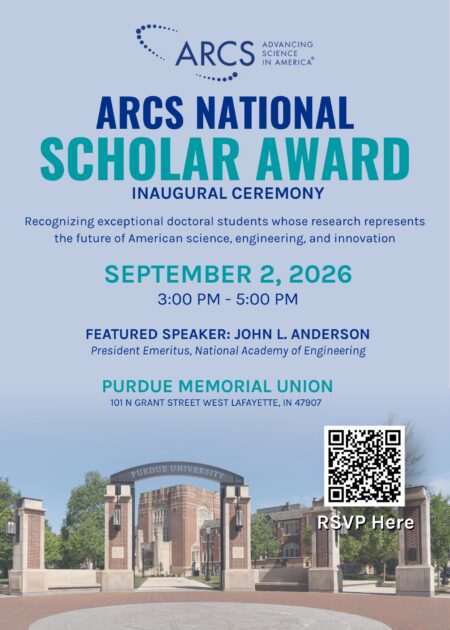
ARCS Foundation will host the ARCS National Scholar Award Inaugural Ceremony on September 2, 2026, at the Purdue University Memorial Union in West Lafayette, to introduce Indiana leaders to the ARCS National Scholar Award Program and its new partnership with Purdue University. The event will also give ARCS Foundation an opportunity to learn more about Indiana’s life sciences economy and the industry partners whose work is helping shape the future of health, research, technology, and manufacturing.

The Purdue partnership marks the first expansion of the ARCS National Scholar Award Program into Indiana. Through the agreement, ARCS will provide ongoing private, unrestricted funding for Purdue doctoral students conducting research in high impact and emerging technology fields. Initial support will focus on biomedical engineering, electrical and computer engineering, and mechanical engineering.

That connection matters for Indiana.

Across the state, life sciences companies and research institutions are advancing work in pharmaceuticals, medical technology, diagnostics, animal health, plant science, manufacturing, logistics, data, and next generation technologies. Purdue’s role in the ARCS National Scholar Award Program adds another point of connection between graduate research, industry need, and long-term talent development.

ARCS Foundation has supported scientific talent for more than 65 years by providing financial awards to academically outstanding U.S. citizens pursuing graduate degrees in science, engineering, math, technology, and medical research. The National Scholar Award Program was created to expand ARCS support into regions not currently served by ARCS chapters and to invest in scientific fields important to U.S. competitiveness.

For Indiana, the opportunity is both immediate and long term.

The event will introduce industry leaders to a national model for supporting doctoral scholars while giving ARCS Foundation a closer look at the companies, institutions, and innovation assets that make Indiana a leading life sciences state. It is also a chance to begin building the relationships needed to grow scholarship support in Indiana over time.

Private, unrestricted support gives scholars the flexibility to stay focused on research, pursue promising ideas, and continue work that may one day contribute to new discoveries, technologies, companies, and solutions. For industry partners, that kind of investment strengthens the research and talent pipeline that helps Indiana compete.

As ARCS Foundation begins its work in Indiana, BioCrossroads encourages life sciences leaders, employers, investors, and philanthropic partners to attend, learn more, and help connect the program to the broader ecosystem.

Indiana has the industry base. Purdue brings world-class research strength. ARCS brings a national model for investing in scientific talent. Together, they create a new opportunity to support the next generation of researchers whose work can help move Indiana’s life sciences economy forward.

Support scientific talent in Indiana

Companies and philanthropic partners interested in supporting ARCS scholars in Indiana can learn more at the event and begin exploring how private support can help strengthen Indiana’s research, innovation, and life sciences talent pipeline.

Contact: 

Nancy Chambers
ARCS Foundation National Board of Directors
Chair, ARCS National Scholar Program 
nchambers@arcsfoundation.org
404.593.4474

Attend the ARCS Foundation event

Industry leaders, employers, investors, academic partners, and philanthropic organizations are invited to attend the ARCS National Scholar Award Inaugural Ceremony to learn more about ARCS Foundation, the National Scholar Award Program, and the program’s first Indiana partnership with Purdue University.

Event: ARCS National Scholar Award Inaugural Ceremony
Date: September 2, 2026
Time: 3:00-5:00 p.m. 
Location: Purdue University Memorial Union
Hosted by: ARCS Foundation
Registration: Scan the QR code to the right or click the button below.


bio international convention 2026

Highlights from the Indiana Pavilion

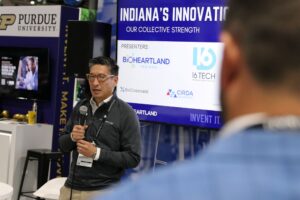
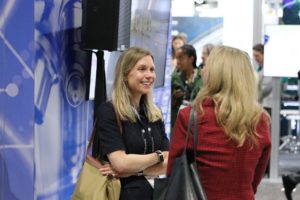
Indiana returned to BIO International with a coordinated statewide presence for the first time in six years, bringing together companies, universities, innovation districts and industry partners inside the Indiana Pavilion.

Across four days at Booth 3143, BioCrossroads helped lead conversations focused on the full arc of Indiana’s bioscience economy. Partners discussed how innovation districts are creating places for collaboration, how research institutions and industry anchors are moving discoveries toward commercial impact, and how Indiana’s manufacturing, logistics, and workforce assets support companies building and scaling in the state.

The week also marked the national introduction of BioHeartland Indiana, giving partners a shared platform to tell a more unified story about the state’s strengths across human health, animal health and plant science.

Explore the photo gallery, partner highlights, and on-site interviews from BIO International 2026.

Partners at BIO 2026

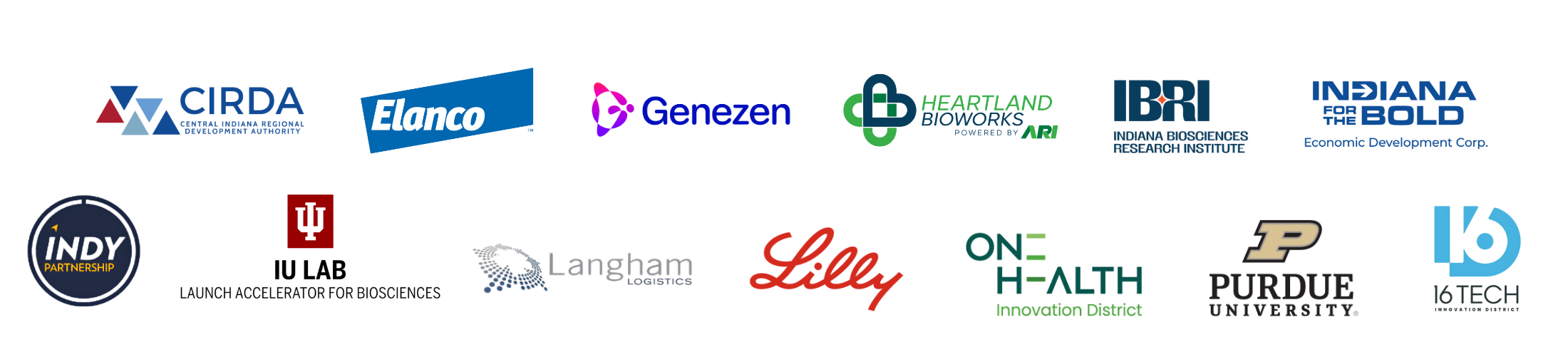
Indiana’s presence at BIO International 2026 was shaped by partners working across the full bioscience economy, from research and commercialization to innovation districts, manufacturing, logistics, workforce development and business growth. At Booth 3143, that meant more than representing individual organizations. Together, Indiana Pavilion partners showed how the state’s bioscience ecosystem works in practice.

BioCrossroads is grateful to each partner who helped bring Indiana’s bioscience story to BIO International and helped introduce BioHeartland Indiana to a national audience.

Discover
BioHeartland Indiana

BioHeartland Indiana is the shared identity for Indiana’s statewide bioscience ecosystem, connecting strengths across human health, animal health and plant science.

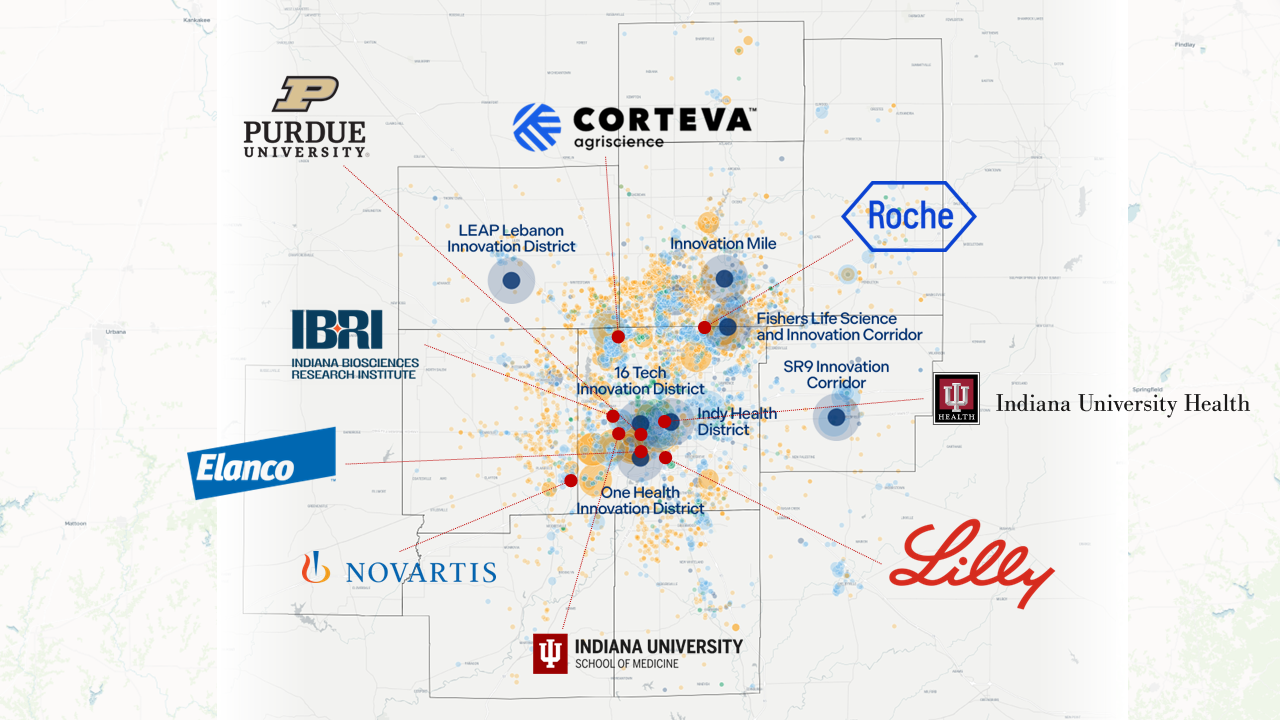
See how companies, universities, research institutions, innovation districts and industry partners are connected across the state.

New regional identity unites a more than $100 billion bioscience ecosystem and positions Indiana among the world's leading innovation hubs.

INDIANAPOLISJune 22, 2026 /PRNewswire/ — Today at BIO International Convention in San Diego, the CEOs of Indiana Corporate Partnership announced the bioscience sector across Indiana will now be known as “BioHeartland Indiana.”

For more than a century, Indiana’s life sciences ecosystem has been inventing, making and moving bioscience solutions at global scale across human health, animal health and plant science. The state’s leading role in the GLP-1 revolution is a tangible example of what’s possible when discovery, research, development, manufacturing and distribution exist within a single connected ecosystem.

With Eli Lilly, Elanco Animal Health, and Corteva, the region is home to global leaders in human health, animal health, and plant science. The state’s four R1 universities, the nation’s largest medical school, and the Indiana Bioscience Research Institute, combined with the industry researchers, serve to generate 3x the national average for issued patents. The biosciences sector contributes over $100B of economic activity to the state.

“Indiana is a powerhouse in human, animal and plant biosciences, but our story has not been told with the clarity, consistency or urgency it deserves,” said Melina Kennedy, CEO of the CEOs of Indiana Corporate Partnership. “What makes this region different is not just that we make bioscience solutions, we are also a hotbed of invention and discovery, with the manufacturing strength, logistics infrastructure and collaborative spirit to move innovations into the world. BioHeartland gives us a shared identity to help investors, companies and talent understand the full value of what Indiana offers.”

The announcement follows Governor Mike Braun’s $1 billion commitment to help Indiana’s life sciences companies accelerate growth over the next ten years.

“People will hear the words ‘BioHeartland Indiana’ and automatically think, “that’s a place open for science and innovation where industry professionals across the entire value chain deliver solutions in a practical, collaborative way, enabling companies to move with speed from lab to market,” said Vince Wong, president and CEO of BioCrossroads, a non-profit organization that grows, advances, and invests in Indiana’s life sciences and healthcare sectors. “When it comes to biosciences, people will think of Indiana the same as Boston, the Research Triangle of North Carolina, or even international locations like Zurich and Basel.”

Indiana’s bioscience industry currently generates more than $125 billion in annual economic impact and leads the nation in both life sciences and pharmaceutical exports.

BIO International Convention

Fifteen BioHeartland Indiana partners are attending BIO International including: Eli Lily and Company, Elanco Animal Health, 16 Tech Innovation District, One Health Innovation District, Genezen, Heartland BioWorks Tech Hub powered by the Applied Research Institute, Indiana Biosciences Research Institute, Indiana Economic Development Corporation, IU Launch Accelerator for Biosciences, Indiana Life Sciences Association, Indy Partnership, Langham Logistics and Purdue University. BioCrossroads is leading BioHeartland Indiana’s presence at BIO International Convention.

BioHeartland Indiana is located at Booth 3134 and will host a series of in-booth conversations designed to give BIO attendees a closer look at the people, places and capabilities behind Indiana’s life sciences momentum. A schedule of events and details about BioHeartland’s presence at BIO International can be found on the organization’s website.

About BioHeartland Indiana
BioHeartland Indiana is a shared identity led by the CEOs of Central Indiana Corporate Partnership (CICP), in collaboration with its branded initiatives, BioCrossroads and AgriNovus Indiana, and in partnership with the Central Indiana Regional Development Authority (CIRDA). It exists to amplify Indiana’s bioscience strengths, while elevating the innovation districts, companies and research centers inventing, making and moving a rare concentration of life-changing innovation across human, animal and plant health at global scale. Learn more at INBioHeartland.com.

About CICP
The CEOs of Indiana Corporate Partnership (CICP) was formed in 1999 (under its legal name, Central Indiana Corporate Partnership) to bring together the chief executives of the region’s prominent corporations, foundations and universities in a strategic and collaborative effort dedicated to Indiana’s continued prosperity and growth. To advance this objective, CICP sponsors five key talent and industry sector initiatives, AgriNovus IndianaAscend IndianaBioCrossroadsConexus Indiana, and TechPoint, each of which addresses challenges and opportunities unique to its respective area: agbiosciences, talent and workforce development, life sciences, advanced manufacturing and logistics, and technology. To learn more about CICP, visit cicpindiana.com.

About AgriNovus Indiana
AgriNovus Indiana, a branded initiative of the CEOs of Indiana Corporate Partnership (CICP), is a nonprofit organization focused on advancing the agbioscience sector by connecting and convening stakeholders to deliver innovative ways to inspire and attract agbiosciences talent, companies and innovation to the state. Learn more at www.AgriNovusIndiana.com.

About BioCrossroads
An initiative of the CEOs of Indiana Corporate Partnership (CICP), BioCrossroads is a catalyst for Indiana’s life sciences sector, advancing the state’s position as a global leader in research, development, manufacturing, and healthcare innovation. Through strategic initiatives, industry partnerships, and ecosystem development, BioCrossroads supports the growth of life sciences companies, talent, and investment, as well as existing enterprises and new business development across Indiana. The initiative fosters public-private collaboration by uniting a diverse range of academic, industry, and philanthropic stakeholders, all collectively focused on advancing Indiana’s life sciences sector. To learn more about BioCrossroads, visit biocrossroads.com.

Media Contact:
Joe Morgan
Sōvyn
[email protected]

SOURCE BioHeartland Indiana

IBJ BioFutures 2026 spotlights Indiana’s life sciences momentum

Indiana’s life sciences story is one of discovery, production, talent, investment, and impact. The 2026 edition of IBJ BioFutures offers a closer look at that story and the people, companies, institutions, and ideas helping shape what comes next.

Published by the Indianapolis Business Journal, BioFutures highlights the breadth of Indiana’s life sciences sector and the role it plays in advancing health, strengthening the economy, and positioning the state for continued growth. This year’s issue explores themes that are central to Indiana’s life sciences leadership, from pediatric innovation and national health security to the sector’s broader contribution to jobs, investment, and well-being.

For BioCrossroads, the publication reflects the story we see across the ecosystem every day: Indiana is a place where research, manufacturing, logistics, workforce development, and industry collaboration come together in ways that create real opportunity. The state’s life sciences sector is not defined by a single company, campus, or region. It is a connected statewide ecosystem with global companies, emerging startups, research universities, innovation districts, hospitals, service providers, and workforce partners all contributing to its strength.

That connection is what makes Indiana’s life sciences sector distinctive. Ideas can move from the lab to commercialization. Products can be made, scaled, and shipped. Talent can find pathways into high-impact careers. Companies can grow in an environment built around collaboration, infrastructure, and long-term sector focus.

BioFutures also arrives at an important moment for Indiana. As the state continues to elevate its life sciences identity through BioHeartland, the publication helps bring visibility to the industries and institutions driving progress across human health, animal health and plant science. It gives readers a clear view of why Indiana matters in the global life sciences economy and why the work happening here has an impact far beyond the state’s borders.


+