AXIS: Mentor & Mentee Q&A

Launched by BioCrossroads in 2025, AXIS mentoring program is helping Indiana life sciences startups kickstart their ideas and bring them closer to reality. Through strategic team-based mentoring with the best and brightest from across the state, startups are getting essential guidance and advice. AXIS has already supported two cohorts that have pitched their ideas and have been paired with mentors.  

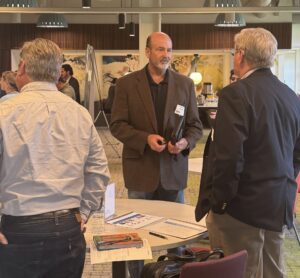
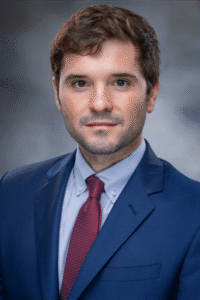
Below is a Q&A with mentor Kevin Donnelly, PhD and mentee Daniel Flaherty.

Kevin B. Donnelly, DVM, PhD, DABT, AXIS Mentor 


What’s your professional experience and where are you at today? 
 

I am a veterinary pathologist and toxicologist.  I have spent my 30 year career to date in the human pharmaceutical sector as a scientist contributing to the comparative biomedicine between animals and humans in biomedical research.  I have been part of teams discovering and developing new medicines and I have developed deep expertise in the scientific and regulatory process involved. I have worked at a small biotech company, a contract research company, and now more than 20 years at Eli Lilly and Company in Indianapolis. 
   
Why did you join AXIS and how did you hear about it?  

I was recruited by other Lilly colleagues who had become AXIS volunteer mentors.  I joined to help build the infrastructure around the growing biotechnology community in Indiana.   

What makes Indiana a great choice for a startup, particularly in life sciences?  

Excellent universities in Indiana are producing bright academic researchers, and graduating students with high quality degrees to enter the workforce. There already exists a strong base for pharmaceutical and medical device companies here. I have also been impressed with multiple nonprofit organizations here that promote success in biotechnology. 

Why did you choose to pair with Dan Flaherty?  

I generally look for mentees with some mutuality in my area of experience (drug development, such as in Dan’s case) but since the main objective of AXIS is to help develop the professional pathway for the mentee innovator, their subject matter is not very important to my success as a mentor. Indeed, I have signed on to mentee with medical devices, and health care computer app development. 

What are you doing to support them? Any pieces of advice or lessons that you think are applicable to other startups?  

The mentor program helps innovators make big picture decisions to guide the progress of their initiative or start-up. Having the conversation as mentors regarding the multiple facets involved seems to very much help the mentees and is gratifying to the mentors. It helps that we mentors are independent volunteers with no direct stake or bias in the start-up enterprise. 


Daniel P. Flaherty, AXIS Mentee 

Tell us about your startup.

Carbonix, Inc is a precision antibiotics biotech company that specifically targets Enterococcus species with relevance to infectious disease and microbiome-related disorders.
 

What has your path to this looked like—personally and professionally?

Professionally, this path started with my academic lab at Purdue and technology developed during the course of two R01 awards. When I started my lab I was only interested in publishing quality science and making it to promotion and tenure. Now, our lab has developed high-quality molecules that we believe fill a large unmet need in the current medical landscape. The idea of starting a company has been on my mind for close to two years. I spent time reflecting and realized if I don’t push this technology forward then likely no one will. I do not believe it should sit on the shelf. At that point, I took the step to form Carbonix. 

Personally, this has been a large lift for myself and my family. I still have my primary appointment as a faculty member at Purdue with a lot of responsibilities including teaching, research, mentoring, and committee work. In addition, I have a family with four children who are all very involved in many activities. So, this past summer, there was a lot of personal schedule juggling and sacrifices to provide me with every second I could squeeze out of a day to push the new company forward. 

What impact do you hope your startup will have?

I envision that Carbonix will not be the traditional antibiotic biotech focused on broad-spectrum antibiotics or on difficult to treat Gram-negative pathogens. Carbonix is explicitly narrow spectrum, targeting only Enterococcus species. This is somewhat of a shift from the past of antibiotic drug discovery as more research is published supporting the role of a healthy gut microbiome on many seemingly unrelated disease pathways. This provides a new opportunity for narrow-spectrum agents to be valued in the clinic while preserving patient microbiomes from being disrupted that can how downstream consequences. I believe we will be at the forefront of not only treating Enterococcus infections but in preserving and treating microbiome related disorders.
 

Why did you choose to participate in the AXIS program? 

I have considered starting a company for two years, but I needed a spark and some outside accountability. I always had the excuse that I did not have time. But I knew I needed to have mentors that would essentially listen to me and provide feedback with expectations that needed to be achieved. This pushed me to prioritize the steps necessary to take the leap. 

What has been the most important thing you’ve learned from Kevin?

With Kevin in particular, I have very much valued having him as a sounding board. Often, even though I believe in the mission and technology, I can often still question if it is really that exciting or potentially impactful. So having someone not associated with the technology at all there to listen and provide advice and feedback, as well as ask questions that I have not thought about, has been extremely important to me. 


AXIS Mentee Wins Big at MIRA Awards

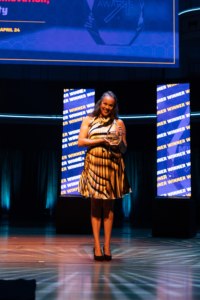
Last month, at the 2026 MIRA Awards, Alicia Mckoy took home the Resilience Award for her Indianapolis-based tech company, Peak Mind. Mckoy’s company uses AI, biometrics, and immersive tools like virtual reality to help individuals and organizations better understand and manage stress in real time. Judges at MIRA noted Mckoy’s ability to advocate for others navigating trauma while remaining an active contributor to Indiana’s entrepreneurial and tech communities. Her story reflects strength, determination, and an unwavering commitment to turning hardship into hope. Mckoy is also an alumna of BioCrossroads’ AXIS Mentoring Program and says the program was crucial in getting the company established.

Tell me about Peak Mind and the problem you are trying to solve.

Peak Mind is focused on one of the most expensive and least measured risks in the workforce. Chronic stress. Most organizations measure productivity and safety in real time, but stress is often detected only after performance declines or health conditions develop. Our work centers on identifying biological and behavioral signals early, so individuals and employers can take action before stress becomes an illness. The objective is prevention, stability, and sustained performance.

What motivated you to start this company?

The motivation came from repeated observation of high-performing professionals who were succeeding externally while their health and well-being was quietly deteriorating. Traditional wellness programs were not designed to detect that strain early. Over time, it became clear that stress needed to be treated as a measurable health condition rather than a temporary feeling. That realization led to years of research focused on building practical tools that help people recognize and manage stress before it becomes a long-term and more expensive problem.

When did you join AXIS, and why did you sign up? How has the program helped your company?

We joined the AXIS mentoring program through BioCrossroads when the company was transitioning from research into commercialization. The program provides us with structured guidance from experienced leaders who understand regulatory pathways, reimbursement models, and scaling health technology. That support is strengthening our strategic planning, market entry decisions, and expanding our network across the life sciences community.

How does it feel to win the Resilience Award at MIRA?

Receiving the Resilience Award from TechPoint is both humbling and energizing. The recognition reflects the significance of the challenges that I have faced and the persistence to continue to build solutions that improve human health for those that use our innovation. It also signals to the broader technology community that resilience is not just about endurance but about continuing to show up during difficult periods. It felt great being able to say to the 1,200+ attendees to take care of their own well-being. That is the core of my mission, and I am honored I was given the stage to do so.

What’s next for Peak Mind?

The next phase of Peak Mind focuses on the products we are spinning out into commercialization. Products that we have seen great success in early pilots and clinical testing such as our biometric indicators integration to support daily preventive care. The long-term goal is to make stress measurement as routine as monitoring blood pressure for those who are worried about its impact on their quality of life. When users can see risk earlier, they can protect health, stabilize performance, and reduce long-term costs.

A look back at 2025 and the highlights from across Indiana's life sciences ecosystem

We’re doing things a little differently with this episode. Instead of an external guest, we’re bringing in someone internal—Mike Bolinder SVP, External Engagement & Chief Innovation Officer.

Last month, BioCrossroads released our 2025 annual report. And in this episode, Mike and Vince take a step back to reflect on 2025. Together they unpack a year’s worth of milestones across innovation, manufacturing, workforce, communications, and capital. 2025 was a watermark year for Indiana’s life sciences ecosystem—for the first time ever, life sciences in Indiana surpassed $100B in economic contribution, at $102B to be exact. We also became known as the radiopharmaceutical capital of the world. And we vastly expanded our workforce infrastructure and supports. This episode is the perfect companion piece to our annual report, and I recommend everyone take a look at it for a comprehensive look at all of the state’s activities in life sciences.

Vince is joined first by Dan Peterson, vice president of industry and government affairs at Cook Group and chair of the BioCrossroads board of directors. Dan shares a front-row perspective on the growth of the sector, the story of Cook Medical, and the innovation shaping the industry today.

Episode Transcript

NATHAN: Welcome to Biosignals, the podcast powered by Bio crossroads, where we decode the pulse of Indiana’s life sciences sector. Each episode, we bring you the innovators, breakthroughs, and bold ideas shaping the future of health and science.

Welcome to the fifth episode of BioSignals. I’m your co-host, Nathan Brown. We’re doing things a little differently with this episode. Instead of an external guest, we’re bringing in someone internal. Mike Bollinger, senior vice president of external engagement and chief innovation officer here at Bio Crossroads. Last month, BioCrossroads released our 2025 annual report. And in this episode, Mike and Vince are going to take a step back to reflect on that year. Together, they’re going to unpack a year’s worth of milestones across innovation, manufacturing, workforce communications, and capital. 2025 was a watermark year for Indiana’s life sciences ecosystem. For the first time ever, life sciences in Indiana surpassed $1B in economic contribution, one hundred and two billion to be exact. We also became known as the Radiopharmaceutical capital of the world, and we vastly expanded our workforce infrastructure and supports. This episode is the perfect companion piece to our annual report, and I recommend everyone take a look at it for a comprehensive look at all of the states, activities and life sciences.

VINCE: It’s my pleasure to welcome Mike Bolinder. Mike, welcome to Biosignals. Mike, why don’t you introduce yourself?

MIKE: Yeah. Thanks for thanks for having me. Um, brief background. So I worked for many years in industry. Got into, got into the life sciences industry for very personal reasons. Um, just given our, uh, our firstborn had, uh, some serious health challenges and being two new parents and not knowing anything about medicine, man, that really affected us. So later, I was sitting in a mortgage business. I’d started and thought, is this really all there is to life? And if I could do something every day that, you know, might help patients or families going through what we went through with our daughter, Kiersten, I thought maybe I’d feel better about myself if I laid my head on the pillow at night.

So anyway, that led me to join the industry. I worked for Lilly for a number of years. I was always on the commercial side. I left Lilly, which I didn’t think I would ever do because I really enjoyed my time there, but went to work in a startup out in San Diego. Um, we had some pretty good success out there, transacted the company, uh, for like a billion and a half dollars and then moved back to Indiana, uh, to work on a startup that was out of, out of Europe, um, where we were, it was actually a company that we were looking to acquire when we were at the other company in San Diego. And, um, you know, it was a small team, had its fits and starts, as all startups do. And, uh, we, uh, were developing a suite of patient, supportive care products for patients undergoing surgeries and chemotherapies. And ultimately, um, ended up taking the company public. I at some point took over for the original founder and CEO. We got two drugs through the FDA approval process and, um, and built a commercial team, put our U.S. headquarters in Indianapolis and, uh, ultimately ended up transacting that company to a larger entity. And then, um, started working at bio crossroads, uh, right at three years ago now. Wow. Three years. That’s great. Yeah. It’s amazing. And, um, you know, so, uh, obviously, you know, I work here and innovation and external engagement and have really, really enjoyed working with the team and seeing, um, a lot of things that we set out to do come to fruition, or at least the beginnings of, of those things here in Indiana. So thanks for having me today. I’m excited about the conversation.

VINCE: Well, you’ve got a tremendous background. I’m really lucky to have you here at crossroads. Um, you know, twenty twenty five was a really incredible year for the life science sector here in Indiana. Yeah. Tell me about it. We marked, uh, really a great acceleration of our ten year strategic roadmap. Um, we crossed the one hundred billion dollars economic contribution threshold. Um, we got the Radiopharmaceutical capital of the world designation to highlight the strength of our radiopharma sector within our community. We got a new fund raised to try to fill a void of, of seed capital for our ecosystem. And we really got a lot of workforce and innovation programming off the ground as well. So this was a busy year for not only BioCrossroads, but also really a momentous year for the community and our sector at large. This episode really is an opportunity for you and I, Mike, to kind of not only look in the rearview mirror but also having a have a forward-looking conversation about all the exciting things in front of us for 2026 and beyond.

MIKE: Well, yeah, I mean, first of all, just listening to what you said there, I mean, it’s we ought to have plenty of things to talk about in this conversation. So that’s, that’s exciting. I guess the first thing is, is you look back at 2025, how do you think it might feel different, if at all, from prior years? And, you know, we’ve accomplished you listed off a few things that, you know, we’ve been working on some great accomplishments, some achievements for the ecosystem. But how do you see that? Is it is it is this incremental progress? Is this real structural change and acceleration? Like I’d love to hear your thoughts on.

VINCE: Yeah, I think we did a lot of foundation building. Um, whether that be the new fund that we, that we helped raise, um, crossroads Health Ventures, uh, whether that be the mentoring program that your team launched access mentoring program. Um, the IU lab, um, got launched. One thing that is pretty special about our ecosystem is that we do have that full value chain here, uh, in Indiana. Perhaps even more importantly, you touched upon this in your own personal testimony is it’s even beyond the, the financial contribution, but also it’s the impact of lives not only within Indiana, but also on a global basis. Um, that is represented by the one hundred and two billion dollars as well, because that’s a translation of actual products that get shipped not only across the country, but to all corners of this world. You know, it can be said to be made in Indiana, which is pretty cool. Yeah. I mean, on that note, we used to have a saying, at least at Lilly, that we’d talk about doing, doing well by doing good. Right. And so that was, that was a big attraction for me and to this industry. I’m, you know, you talk about the people, uh, the Hoosiers, seventy zero zero zero of them that all across all those various jobs that you, you kind of listed the cool thing that stood out to me and it was pretty amazing.

MIKE: The average wage has gone from $110,000, like two years ago to $177,000. That is a, you know, $177,000 is a very, very you can do well and doing good. And I’m curious, you know, the $177,000, that number, what is that? What how does that strike you? What does that mean to you? What are you know, what does it mean about the jobs that we’re being that we’re creating through this sector of the economy in Indiana?

VINCE: Yeah, I think what it reflects is that life science jobs are knowledge-based jobs. Um, and therefore only reiterates the importance of our educational system in the state to make sure that we are investing in education, whether it be K through twelve, whether that be college and even adult lifelong learning as well. Because, um, in order to be able to continue to really host high value jobs within the state, it’s going to require a well-trained, uh, educated and continuously trained and upskilled workforce, whether that be on the science side, on the invention side, whether it be manufacturing side or on the distribution side. Right? So, um, it’s going to require that kind of continued investment in human capital because at the end of the day, uh, you know this so well, one of the first companies. First questions that a company asks when they are considering Indiana is like, where will the people that I need, where will the smart, hardworking people that I need come from? Um, and, uh, and so I think the good news is we’ve got a great answer to that, that we can dive into a little later. Yeah. Yeah, absolutely. I mean, that’s, you know, we, we say it, it may sound trite, but people are the key to everything that we do. Right? And it just yeah. So, uh, my favorite stat in all of the stats has been, you know, for the last several years, many years now, we’ve been the number one state that in manufacturing and exporting pharmaceutical products. But last year, the year before last, but last year, we started announcing that we had overtaken California to be the number one state in manufacturing and exporting all life sciences products. I’m excited that again, this year we still have that number one spot in all life sciences, uh, products. But that that to me is a continuation of momentum. How do you look at those numbers and what, what, you know, what, what do you see in its continued growth in some really key areas that have, from my perspective, a lot of runway yet to, to grow. Um, you know, whether that be, uh, you know, the integrated therapies, uh, are clearly a big driver of this growth. Having both Lilly and Novo, which are the number one and number two developers and manufacturers of those endocrine therapies. Um, you know, we’re just beginning to scratch, scratch the tip of the iceberg on that as additional indications come online for those therapies beyond diabetes and obesity, but in other areas as well, uh, that I think the runway for growth is exciting there. Uh, and then also the other area that is having tremendous growth is in radiopharmaceuticals. And that’s growing on a smaller base but still is a significant growth rate and I think has a significant kegger, um, growth rate going forward. Uh, and that will serve as additional fuel for, um, for that growth. And I think just Indiana’s well positioned from a, um, there’s a big movement of reshoring and manufacturing, uh, to the US. I think I always liked those numbers because they come as, as a bit of a surprise for a lot of folks. You’re like, what? Number one, like not California, not new Jersey, not New York, not, not Massachusetts or North Carolina. That’s right. Yeah. So, uh, I always love, I always love those numbers.

NATHAN: You’re listening to Biosignals, the podcast powered by Bio Crossroads. Now let’s listen in to Mike and Vince.

VINCE: We have, you know, four pillars, right, of our, um, sector strategy that got launched in January twenty twenty four. And, uh, you know, we’ve been really, I think as an ecosystem really focused on building those, those pillars. And, you know, your role as chief innovation officer here at Bio Crossroads, um, are a key leader in driving this innovation pillar. So maybe talk, talk with me about this new mentoring program that you and your team launched Mike, in 2025.

MIKE: The AXIS program has been at the heart of a lot of the work that we’ve been doing around innovation. And in fairness, access is a program that, um, takes a methodology from MIT in Boston. Um, they have this venture mentoring service, uh, model that we’ve adopted and was implemented actually quite a few years ago, started at bio crossroads. It went to the Ibri for a while, and we did pick that back up last year and have been trying to rework and revitalize. We tweaked a few things, but, but the basis, uh, the essentially what access is, is it is a mentorship program to help leadership or founders of startup companies to get the guidance and support that they need in that very, very difficult journey of bringing something from an idea to the patient bedside or to the patient. Right. It’s it’s such a challenge. And I think by calling it a mentorship program, which is truly what it is, it might undersell it a little bit. Because oftentimes when I think about a mentorship relationship, I think of sort of one on one. We’re going to pair you with somebody who, you know, who’s been around for a while, a little long in the tooth and can help you with, you know, this, that, or the other and give you some career advice. What this is what access really is, is it is essentially forming a bit of a, an advisory board, almost like a board of directors for this company. You know, so little advisory board. And the idea is to try to fill out areas of expertise that the founder or leader of that organization, they might be a scientist by training, or they might be a commercial person by training. But most of us are not as much as we try, are not really jacks of all trades, right? And so having experts either in, you know, legal matters, intellectual property or experts in commercialization, experts in regulatory, you know, regulatory pathways. And what that’s going to look like can help, let’s say a scientist founder who is trying to bring this great idea, this new invention forward, surrounding them with folks who’ve got the been there, done that badge, they’ve done this before and can give them some of that guidance is absolutely, absolutely critical. I mean, you know, you and I were in industry for many years, and one of the most important things you can have is good guidance. I know I, you know, the guidance and the networking and everything that we were able to take from, you know, our board of directors or whatever. That’s what we’re essentially helping to infuse into these startups to really help accelerate their growth and help them bring those things forward.


VINCE: That’s great. It’s one mentee to three mentors, right? So it’s kind of creates that surround sound. Yes. Um, you know, perspective, uh, that creates, I think, a much richer experience, um, and beneficial experience for the mentees. Let’s maybe pivot to another key development in our ecosystem. Um, the launch of IU lab. Oh yeah. Um, the launch accelerator for Biosciences, uh, over one hundred and twenty million dollars grant from Lilly Endowment that’s helping fund the creation of this asset. Maybe talk about how you see IU lab and its role in the larger innovation ecosystem that we’re building together.


MIKE: Yeah, I mean, to the point that you just made IU lab tremendous investment in the future of innovation here in Indiana, right? It’s a significant, significant undertaking. We are, as you know, thrilled to be a part of, you know, that team that is helping to, uh, to bring this forward. I think it can’t be understated that that investment, not just in capital, but in foresight of saying, this is what we’re trying to develop here. And I think it’ll be critical, uh, with regard to, you know, building this infrastructure, we just talked a little bit about the access mentorship program. And again, I said it’s been the heartbeat or the foundation of a lot of what we’ve been doing around innovation. And we, you know, we’re doing a lot of things to support IU lab and their efforts along with other partners, you know, whether that be a generator or plug and play or others in the ecosystem. Um, but we’re using a lot of the foundational innovation programs that we’re establishing and getting up and running as sort of that ongoing support. So as, as folks come through the Elab program, they go through these either pre-accelerator or accelerator programs. We are both trying to provide some mentorship and guidance, direction networking, you know, using our contacts as we’re doing that. But for those that want to continue on, and certainly those that are local here in the ecosystem, we’re able to use that as a, um, as a feeder into that access mentorship program and, um, really provide that ongoing longer lasting support. So those two things kind of work hand in hand, if that makes sense. Yeah. Well, I think what’s cool about IU lab is, you know, uh, instead of waiting for a building to be built and then standing up programming, your daily lab in partnership with its partners and generator, plug and play and ourselves. About crossroads. You know, they’ve really jumped in and said, you know, we’re not going to wait for the steel and the glass to go up. We’re going to bring value to the ecosystem. Um, even before the building. So, you know, lots of big kudos out to the IU lab team, uh, for that, uh, that initiative.

VINCE: Absolutely, absolutely. And then another, um, kind of innovation focused effort that you’re involved with is, um, the bio can grant program through the heartland bio tech hub. That’s really two different components of it, right? One is bio train, which is really a training initiative and the other’s bio launch, which is really for innovation purposes. And then kind of nested with underneath bio launch is this bio can grant program. So maybe tell, tell the audience what is the bio can grant and what’s its objective and who should be interested in participating?

MIKE: Yeah, absolutely. Well, that’s another, you know, talk about major investment in the future of Indiana and our ecosystem here. This EDA tech hub was $51M. It was the largest, uh, tech hub grant, uh, in the country. And we again, are excited to partner with Ari on heartland Bioworks and all the other, you know, stakeholders and partners, uh, from the ecosystem. But a component of that $51M there is this is the bio can grant program that that you were asking about. And that is essentially there’s, there’s been nine million dollars over the five years earmarked to go towards helping, um, helping provide non-dilutive funding to startups in particular, those that will, in your benefit to the Indianapolis, you know, central Indiana, uh, area. And so this is it’s an exciting program. We’re, you know, we’ve run a couple of, of grant cycles now. And it’s really neat to see the applicants that are both coming in from here locally, but also from around the country. And we’re excited to be able to provide the help. And, you know, the idea of that, that whole program is to say, we’ve got to strengthen manufacturing. How do we really tip the scales and make this, you know, uh, a global leader in, in the manufacturing, in particular these biopharmaceuticals. And so that’s, that’s, that’s what that’s about. Probably the next pillar I’d like to cover, um, briefly is the manufacturing pillar. Um, that you also helped spearhead last year. We got the Radio Pharmaceutical Capital of the world designation from the United States Patent Trademark Office. How do you see this designation being utilized by either our, you know, bio crossroads or members of the Radiopharmaceutical. Kind of community here that you help convene on a quarterly basis? Yeah, I think, well, first of all, kudos to you in, in bringing that forward and getting that, that trademarked. Um, I think what we have here in Indiana is really special in particular here in the radiopharma world. I mean, we have seen this convergence and, uh, growing, uh, you know, this, this growing momentum around companies in the radiopharmaceutical space that are locating here for a confluence of issues, uh, or, or driving factors, right. One, you’ve got Purdue, the largest by far radiopharma pharmacy program in the country. Um, so there’s tons of talent. You’ve got lots of FDA savvy talent here. You’ve got the logistics. These things are the logistics infrastructure. These things are like often described as melting ice cubes. And so being able to because they have a, you know, they have an effective life sometimes of maybe a day, a day and a half, sometimes even shorter than that. So how do you get these to the patient and have them manufactured right in time for that patient’s appointment and get it to them while, while it’s still effective? Um, is, is a real, you know, it’s a real trick. And because of where we’re located, we’re a twelve-hour drive from eighty percent of the population in North America. You, we have the second largest Fedex hub in the world right here. We’ve seen this growing cluster. But before we even had the designation, I mean, you know, we had people calling us from Europe from all over the place saying, you guys have this crazy, uh, awesome, uh, radiopharmaceutical cluster that’s growing there. How do we become a part of that? How can we partner with you? How can we work together on these things? And so I think really, we were able to put a name on something that, uh, that had, you know, materialized, uh, kind of spontaneously. And what we’ve tried to do over the last few years is we’ve created this working group to try to say, how do we foster that growth? And how do we continue to throw gas on that fire and continue the momentum of everything that we’ve got going on there? So I think that moniker is really helping us with, with being able to, uh, continue to spread the spread. The word on central Indiana gives us something to rally around, right? Yeah. Maybe the last piece I’d like to cover with you is just, uh, workforce, uh, pillar two things kind of jump out at me when we think about how we advance the ball on workforce and talent development. One is our friends at Heartland Bioworks secured the exclusive license to the curriculum from the National Institute of Bioprocessing Research and Training, which is an institute out of Dublin, Ireland, which is globally recognised as really the gold standard for training. And now that we’ve got the exclusive license for their curriculum for a five or six state region here, I think that’s pretty transformative to really establish Indiana as a center of excellence on a regional basis, if not a national basis for life science, manufacturing, training. And then a second thing I’m really excited about on the on the talent side is the launch of our INCAP, the Indiana Career apprenticeship pathway, where we’re, you know, playing a key role in with other partners in importing from Switzerland their robust apprenticeship program to deliver work based training and education experiences to high school students. Bio crossroads plays the role of serving as the convener for employers in not only health care and in life sciences. When you hear about all of this workforce development, investments and activity. You know, what does that mean in terms of our ability to attract companies?

Yeah. I mean, we touched on this a little bit earlier in the conversation, just that the importance of the talent piece. And we’ve also talked about the fact that, you know, our manufacturing has been growing by leaps and bounds, number one in the country, right. Um, the challenge with that is you got to have, you got to have the people to be able to turn the crank, if you will, to, to produce those, uh, to produce those products. And we’ve got to keep up with the pace of growth. And our growth has just been so tremendous. So how do we do that? And how do we, how do we as we try to keep up with the growth, how do we establish, like we said before, the foundation and be able to, to lay the foundation so that we can keep that. So a couple of things you got to do when you got to be able to reskill or upskill workers to be able to fill those needs. And that’s where I think NIBRT plays a tremendous role. And it was so, um, I don’t want to keep using the word exciting, but it was very exciting for us to be able to do that through the Heartland Bioworks, um, project because NIBRT, as you said, it’s the gold standard. I mean, companies from all over the US, major pharma companies like the one I used to work for, send their folks for NIBRT training continually to be able to be that NIBRT affiliate and to be that regional representative here for the Midwest in multiple states is going to pay dividends and, and again, be part of that foundation building that that we’re doing, not just to solve the short term need, but to solve the longer term need. The other piece, speaking of longer term need, is what you were talking about with the Swiss apprenticeship model, the change in the Indiana um, diploma and pathway through INCAP to be able to help identify talent at very early ages, you know, beginning in, you know, what middle school, high school ages that kids start getting exposed to what we’re doing and what’s available to them is incredibly important to build those talent pipelines. So we’re really, we’ve got, we’ve got a lot of work to, to do and a long ways to go on this, but we are building these key foundations to be able to have the talent, which is absolutely the number one most important thing when anybody’s looking at putting a site somewhere.


VINCE: So, Mike, one final question we ask of all guests is, you know, what are what’s one or two technologies or innovations that you are really excited about that you think it’s going to be transformative for, um, healthcare and medicine going forward?

MIKE: When I think about technologies, I think we touched on this earlier radiopharmaceuticals, um, the, the, that technology for me is just so amazing. The ability to deliver radiation in pinpoint delivery, right to the cancer cell and be able to irradiate cells without really affecting the the other cells around the cancer is just, I, I think we’re it’s amazing when you see the results that they’ve shown. You know, you can see the scans, here’s the patient before therapy, here’s the patient after therapy. And it is it is night and day. I mean, they’re absolutely eliminating that cancer and doing it in such a, an amazing and unique way that I think that technology, you touched on it earlier, that it will be transformative. Right now, you’ve only got, you know, a, a therapy or two that are approved. But as you see many more come online and then many more indications for those therapies. Um, I think it’ll be absolutely transformative for cancer care. Yeah. Because today I think the foothold right is in prostate cancer. But I think every solid tumor, um, is fair game for this technology. And so it’s super exciting as it goes beyond prostate. Um, what about you? I mean, what are the technologies that, uh, that, you know, really get you excited or you’re, you’re really excited about the future for.

VINCE: Yeah. It’s also in the realm of precision medicine, just like radiopharmaceuticals is, but it’s not in oncology, but it’s in neurodegenerative disease. I think it’s a super, you know, I’ve been in my career has been very involved in bringing precision medicine into oncology through a biomarker informed approach, leveraging diagnostics to drive earlier diagnosis and screening to therapy selection and, um, therapy response monitoring. I think that then delivers better outcomes for patients. I think that, uh, opportunity now is beginning to open for diseases like Alzheimer’s, where we can identify screen Alzheimer’s in a non-invasive way. Understanding the disease biology of Alzheimer’s, that it’s not just one disease, but perhaps has multiple pathways, multiple biomarkers. And that’s just going to really open up, um, lots of avenues for, um, better outcomes, better therapeutic interventions, earlier therapeutic interventions. Um, and I think down the road you’re going to see, um, a, really a big portfolio of potential therapeutic options for patients, uh, of Alzheimer’s disease. And it’s not going to be, it’s not one disease, it’s multiple diseases, right? And so just like we know cancer is not one disease, but it’s a multiple number of diseases. So I think that’s what I’m excited about. We’re really at the dawning of a new age for biomarker informed precision medicine for neurodegenerative disease. And Indiana is well positioned to be a leader in that. So it really is exciting. Yeah, absolutely. Well, Mike, we covered a lot of ground. Twenty twenty five was indeed a very busy and productive year for the life science community here. And I think a lot of amazing initial seeds were planted. And I think twenty twenty six is all about, you know, nurturing and growing those seeds into more robust scaled programs. Um, and so super excited to continue to partner with you to, to do that and the rest of the team and, and all of our amazing partners, um, that we get the privilege to work with every day. So thanks so much for joining us and giving us a little bit of a twelve months, uh, look back and then a little bit of a peek on what we’re going to be focused on going forward. Absolutely. Um, thanks, everyone for joining us.


NATHAN: For more information about Bio Crossroads, our events programs, and how you can get involved, please visit bio crossroads dot com.

 

AXIS Mentor and Mentee Q&A

Launched by BioCrossroads in 2025, AXIS mentoring program is helping Indiana life sciences startups kickstart their ideas and bring them closer to reality. Through strategic team-based mentoring with the best and brightest from across the state, startups are getting essential guidance and advice. AXIS has already supported two cohorts that have pitched their ideas and have been paired with mentors.  

Below is a Q&A with Michael Myers and Milos Marinkovich, a mentor and mentee pair respectively.

Michael R. Myers, PhD

Adjunct Clinical Assistant Professor of Medicine, Indiana University


What’s your professional experience and where are you at today?  

I have a Ph.D. in organic chemistry and first started working at a mid-size pharma called Rorer as a Medicinal Chemist in ’87. In ’98, I was asked to take three-to five-year year assignment at our R&D facility in Paris. So, we moved the family over. During my 14 years there, we went through four mergers and multiple re-orgs. After three years there, it was time to consider re-patriating. At that point, the company was called Aventis, and the core of the US R&D had been consolidated in Bridgewater, NJ. For a host of reasons, I elected to leave Aventis in ’01 and that is when I joined Eli Lilly as a Research Fellow in Discovery Chemistry. I then moved to a senior management role in Project & Portfolio Management with responsibilities for the portfolio from entry to end of Phase 2. After three years in PM, I moved to lead the team that conducted all scientific and technical due diligence for business development. This role covered all inbound opportunities including acquisitions as well as any out-bound/out-partnering activities. I held this DD role for the last 16-and-a-half years of my career. I can tell you that it was full time entertainment and the best match for my eclectic interests!
  
Why did you join AXIS and how did you hear about it?  

Three of my former Lilly colleagues including a former boss were part of the team that went to MIT for the initial training after BioCrossroads elected to sign on with the MIT Venture Mentoring program. Given that my role at Lilly was focused on external innovation, I was asked to join the initial cohort of mentors in 2019.   

What makes Indiana a great choice for a startup, particularly in life sciences?  

Clearly there is a lot of great science going on in Indiana’s universities along with an exceptionally rich ecosystem of long-established life science powerhouses across Pharma, Diagnostics and Medical Devices as well as a diverse array of world-class CROs and CMOs. I don’t believe that any other state in the union benefits from this unique type of footprint! On top of this there is an incredible array of highly experienced talent available (and lots of failed retirees) to support coaching and advising new startups and entrepreneurs. 

Why did you choose to pair with Goldilox Bio?  

For every mentee I have had the privilege to work with, their passion to deliver their ideas & innovation to patients is infectious. As a result, I really haven’t over-indexed on matching personalities or science background. For me, I often prioritize topics to work on that I believe I can learn the most from. The extra bonus to playing is getting to work with the other mentors on the team which is frankly humbling and equally entertaining. 

What are you doing to support them? Any pieces of advice or lessons that you think are applicable to other startups? 

I think the first and most important thing is that our mentor teams provide a totally “safe” and penalty free forum for the mentees to test their ideas, pitches and business strategies. Having worked at large companies, I think one takes their natural network totally for granted. It is amazing how many times we walk away from a meeting having agreed to make intros to trusted world-class experts or companies (CROs/CMOs) that the Mentee can leverage. Moving innovation forward in the life sciences is an incredibly complicated affair and thus each mentor’s personal networks of trusted colleagues can often be the right weapon to deploy on problems in this highly cross-functional team sport! 

Milos Marinkovich

Founder, Goldilox Bio

Tell us about your startup.

Goldilox Bio is commercializing animal-free cardiotoxicity testing using human cells to improve preclinical safety screening

What has your path to this looked like personally and professionally?

Building a startup is fast-paced and demanding, but my co-founder and I have done our best to move quickly in a space which we believe holds strong upside. AXIS has been an incredibly valuable sounding board with practical mentorship along the way.

What impact do you hope your startup will have?

We aim to replace animal models in preclinical cardiotoxicity screening, reducing drug attrition and post-market risk. Our human cell assays can better reflect patients and enable patient-specific arrhythmia modeling.

Why did you choose to participate in the AXIS program?

I joined AXIS to tap into Indiana’s biopharma expertise and strengthen both our go-to-market strategy and my development as a translational scientist.

What has been the most important thing you’ve learned from Michael?

Michael pushes me to start with what the customer or partner needs and where they’re headed, then build backward from that. His operational perspective has been especially helpful for early-stage decisions in how we can position ourselves as a service provider to biopharma. 

AXIS Mentor and Mentee Q&A

Launched by BioCrossroads in 2025, AXIS mentoring program is helping Indiana life sciences startups kickstart their ideas and bring them closer to reality. Through strategic team-based mentoring with the best and brightest from across the state, startups are getting essential guidance and advice. AXIS has already supported two cohorts that have pitched their ideas and have been paired with mentors.  

Below is a Q&A with Gary Schwebach and Julia van Kessel, a mentor and mentee pair respectively.

Gary Schwebach, D.B.A., J.D. 

Professor of Practice
Associate Director, BioHealth Informatics Programs
Director, The BioHealth Informatics Research Center
Department of BioMedical Engineering and Informatics
Luddy School of Informatics, Computing, and Engineering
IU Indianapolis 


What’s your professional experience, and where are you at today?

I have a set of eclectic experiences that feed into my mentoring. I am a recovering attorney who practiced law in California. I then completed a doctoral degree in marketing with a focus on data analytics. After completing my degree, I started and ran a business and marketing research company that focused on the pharmaceutical, biotech, diagnostic and device industries in healthcare. After building the company up to around 50 employees and offices in six states, I sold the company in 2014. My next venture was consulting in data analytics which led to me being offered a position as a Professor of Practice at the Luddy School of Informatics, Computing and Engineering, IU Indianapolis, which I currently hold.

 
Why did you join AXIS and how did you hear about it?

When AXIS started, I was recommended to the program by one of the founders. They contacted me and told me about its mission to build biotech companies in Indiana. I thought it would be a great opportunity to help startup founders build great businesses while helping them avoid some of the many mistakes I made as a startup. It also allowed me give back and to contribute to building a stronger health ecosystem in Indiana. 

What makes Indiana a great choice for a startup, particularly in life sciences?  

The resources that are available in Indiana for biotech combined with the cost and quality of living here makes this a great place to get started and stay. We have phenomenal research and educational facilities with IU, Purdue and Notre Dame conducting leading edge life science research and training students to carry on with this work. There is a great healthcare environment in this area that assists entrepreneurs to discover new health needs to address. Indiana has a strong commercial presence in the life sciences in both human and animal health. The State of Indiana is willing to support the development of the biotech infrastructure. Finally, this area is still affordable compared to other areas while offering many activities to meet just about everyone’s interests. This combination is only available in very few locations. 

Why did you choose to pair with Quornix?

I saw their pitch at a mentor’s meeting and was impressed by two things. Firstly, their technology was novel and has the potential for moving beyond their initial application into much larger markets. This was the first time in my time as a mentor that I saw founders who were thinking that far ahead and realistically looking for new or additional markets at such an early stage. Secondly, the two founders were very sharp about what they had but were open to new ideas and suggestions, even at the early stage. New businesses depend entirely on whether the founders have the knowledge, skills and flexibility to create a product and to “go with the flow” as they move through development into commercialization. I sensed from the first time I met them that they had this and would be willing to seek and listen to advice on how to proceed. 

What are you doing to support them? Any pieces of advice or lessons that you think are applicable to other startups? 

Our mentor group are listening to the issues that are arising and providing them with suggestions about how to address those issues. The three members of the group have very different skillsets, and we encourage the founders to take advantage of what we bring to the table, both in our mentoring sessions and one off as needed. It is a collaborative effort that is focused on making them successful. 

As for lessons, I think the biggest lesson I learned was to never give up on your vision. The ride is never smooth, and you will make many mistakes along the way. Don’t get discouraged. Just keep moving toward the goal of creating your company. Keep thinking of new ways to bring your invention to market and do the research to make sure the market wants it. The next biggest lesson is to determine at a very early stage who will buy your product, do they have the means to buy it and are there enough of them to make it profitable to pursue. That will save you a lot of time and money while keeping you from hitting dead ends. 

Julia Van Kessel 

Co-founder, Quornix


Julia (right) and Quornix co-founder Laura Brown

Tell us about your startup?  

Quornix is a small business started by co-founders Laura Brown and Julia van Kessel out of Indiana University. Our focus is on developing anti-virulence compounds to treat bacterial diseases. Our path has focused on aquaculture thus far, though we have long-term goals of impacting human health as well.  

What has your path to this looked like—personally and professionally?  

We had a unique beginning to our startup. Laura and Julia have collaborated academically since 2014, where they started screening for anti-virulence compounds using a classroom setting to perform experiments. We both agree that we had so many successful hits in our experiments that we didn’t want the science to just sit on a shelf and not move forward to help in some way. We set out to start the company primarily to accept a pitch prize, but we soon discovered the many ways our science and ideas could move forward through entrepreneurship. 

What impact do you hope your startup will have?  

We aim to help mitigate the growing worldwide antibiotic crisis by developing treatments that aren’t antibiotics. We instead are developing compounds that block bacterial signaling rather than killing the bacteria. The bacteria we target are primary pathogens of major aquaculture farms (fish, shrimp, oysters), and these same bacteria cause rare but devastating disease in humans as well. We hope our products will someday help the world’s burden to feed a growing human population through improving aquaculture practices, as well as provide a treatment for human disease. 

Why did you choose to participate in the AXIS program?  

We have had a great experience at a previous mentorship program called Equalize, and we were ready for another opportunity to network with local Indiana mentors. The primary draw of AXIS is that it partners our small business with local mentors in various aspects of entrepreneurship, everything from R&D to commercialization, navigating marketing, financing, trials, etc. The three mentors we are paired with at AXIS bring scientific, legal, commercial, and strategic experience in broad but distinct ways that have already helped us focus on important short-term and long-term plans. 

What has been the most important thing you’ve learned from your mentors?  

As we plan for the short-term, we’ve learned quickly that we need a robust commercialization plan, and this is an active discussion with our mentor team. We also have ideas for research that we discuss with the team to focus experiments on long-term needs, and we have taken the team’s advice to navigate new territory in negotiations over IP and licensing. Their help has been invaluable thus far and we’re looking forward to our future work with them. 

BioCrossroads Launches Startup Hub, a New Centralized Platform for Indiana’s Life Sciences Startup Ecosystem 

INDIANAPOLIS [January 22, 2025] – BioCrossroads today officially launched the BioCrossroads Startup Hub, a new, comprehensive ecosystem platform designed to serve as a centralized front door for Indiana’s life sciences startup community. Built as a continually evolving resource, this online hub brings together funding pathways, mentorship, regulatory and clinical resources, startup visibility, and ecosystem connections in one place. 

The platform targets a longstanding challenge within Indiana’s innovation economy: while the state is home to one of the strongest life sciences ecosystems in the country, the resources that support startups have historically been fragmented across many organizations and websites. That fragmentation can slow momentum for founders, limit visibility for investors, and create unnecessary barriers to growth. 

The BioCrossroads Startup Hub is designed for the multiple stakeholders critical to a thriving startup ecosystem— researchers and innovators exploring commercialization; investors seeking Indiana-based life sciences opportunities; and ecosystem organizations supporting startup growth. The site will equip founders and investors with the full set of tools needed to access and navigate Indiana’s life sciences ecosystem.  

“Indiana is number one in the nation for life sciences and pharmaceutical exports, and we have world-class research, talent, and industry leadership,” said Vince Wong, President and CEO of BioCrossroads. “The BioCrossroads Startup Hub helps translate these strengths into a thriving startup ecosystem.  By curating and aggregating critical resources in one place, this platform gives founders clarity, connects investors to promising startups, and reinforces Indiana’s advantage as a connected, high-performing life sciences ecosystem.” 

The platform includes: 

  • An interactive startup journey map with stage-specific guidance
  • Indiana-specific funding pathways, including grants, angel networks, and venture capital
  • A searchable directory of life sciences startups
  • Mentorship and peer support programs
  • Clinical data assets and regulatory resources
  • University innovation and commercialization programs 

The resource hub launch comes on the heels of last week’s announcement of the launch of BioCrossroads’ new early-stage venture fund, Crossroads Health Ventures (CHV). The fund has secured more than $21 million in commitments and will begin deploying capital in early 2026. CHV is another example of BioCrossroads’ focus on providing critical support for promising innovations.  

The BioCrossroads Resource Hub also advances BioCrossroads’ broader mission by expanding engagement with founders, increasing ecosystem visibility, and strengthening Indiana’s innovation pipeline. As a dynamic platform, it will be regularly updated with new startups, funding sources, events, and resources, with built-in submission tools to encourage ongoing community participation. 

Learn more at: BioCrossroads.com/Startup. 

About BioCrossroads 

Established as a catalyst to advance, grow, and invest in Indiana’s life sciences sector, BioCrossroads is an initiative of the Central Indiana Corporate Partnership (CICP). It supports the region’s existing enterprises and encourages new business development. The initiative fosters public-private collaboration by uniting a diverse range of academic, industry, and philanthropic stakeholders, all collectively focused on advancing Indiana’s life sciences sector. Committed to supporting the growth of capital investments and talent development, BioCrossroads provides support to both existing and new life sciences enterprises, including the Indiana Health Information Exchange, OrthoWorx, and the Indiana Biosciences Research Institute. BioCrossroads champions the advancement of cutting-edge research and development, plays a crucial role in building and nurturing a robust talent pipeline, and is dedicated to establishing Indiana as a thriving hub for life sciences manufacturing. To learn more about BioCrossroads, visit biocrossroads.com.  

BioCrossroads’ AXIS Mentoring Program: Meet the First Two Cohorts

A core tenet of BioCrossroads’ mission is bringing people from Indiana’s life science sector together to increase our collective impact. We convene to collaborate. And no program better exemplifies these efforts than our AXIS mentoring program, which is designed to provide structured, team-based mentorship to early-stage life sciences entrepreneurs.  

What sets AXIS apart from other mentoring efforts is its focus on connection without institutional boundaries. AXIS is supported by powerful partners like IU, Purdue, Notre Dame, 16 Tech, Heartland BioWorks, and is operated through BioCrossroads. Entrepreneurs from anywhere in Indiana and at any stage can participate. BioCrossroads has recruited mentors from across the life sciences, bringing a wide range of professional and personal experience. Our mentor pool includes some of Indiana’s leading life sciences professionals, motivated to help advance and scale the next generation of innovation. 

The vision for AXIS is clear: cultivate a vibrant, inclusive, and interconnected life sciences ecosystem, with mentorship as the foundation for translating ideas into impact and retaining our top talent in the state. AXIS will play a critical role in helping early career scientists and emerging companies avoid common pitfalls, accelerate their growth, expand career pathways, and navigate the complex regulatory, funding, and commercialization environments unique to the life sciences sector. Drawing from the proven model of MIT’s Venture Mentoring Service (VMS), the program builds a strong support system for individuals navigating the challenges of scientific innovation, commercialization, and founder growth. 

Launched by BioCrossroads in 2025, AXIS has already supported two cohorts that have pitched their ideas and begun advancing their work.  

How You Can Get Involved 

  • Apply as a mentee: Early-career scientists, researchers, and life sciences founders are encouraged to join the next cohort. 
  • Become a mentor: Seasoned professionals can share expertise and make tangible impact. 
  • Partner and support: Regional stakeholders can bolster AXIS’s reach and deepen its ecosystem influence. 

The success of AXIS hinges on its collaborative spirit—mentors, mentees, partners, and supporters working together to nurture vibrant, sustainable growth in Indiana’s life sciences sector. 

Cohort 1 

Qwyn AI
AXIS Mentee: Adam Martin 
Developer of an artificial intelligence-powered quality management platform designed to help life sciences organizations accelerate investigations, automate root cause analysis and prevent recurrence of quality issues. The company offers guided investigation workflows, automated documentation, regulatory intelligence, and trend detection, enabling pharmaceutical and biotechnology manufacturers to maintain compliance, reduce cycle times, and improve product quality. 

IndiAide Inc.
AXIS Mentee: Alyssa Antcliff 
Developer of a daily task management platform designed to centralize the management of important health and personal information. The company’s platform improves functional independence and continuity of care for people with medical complexities, cognitive impairments, those who are aging in place, and their families, enabling clients to manage daily tasks and wellbeing for individuals with cognitive impairment. 

Quornix 
AXIS Mentee: Dr. Julia van Kessel and Dr. Laura Brown 
Developer of small-molecule therapeutics that target bacterial quorum sensing to disrupt pathogenic behavior without directly killing bacteria. The company’s approach aims to reduce antimicrobial resistance while addressing infectious disease challenges in human health and aquaculture. Quornix is based in Bloomington, Indiana, and was formed around Indiana University–derived research. 

Delta Ops AI 
AXIS Mentee: Dr. Pengyi Shi 
Operator of workforce management intended to optimize staff allocation in healthcare settings. The company’s platform uses advanced optimization algorithms to assign nurses effectively across daily shifts and long-term schedules, considering factors such as unit needs and medical campus requirements, enabling healthcare organizations to maximize operational efficiency, reduce labor costs, and improve care delivery by ensuring the right staff are in the right place at the right time.  

GoldiloxBio 
AXIS Mentee: Dr. Milos Marinkovic 
Developer of physiologically relevant preclinical testing platforms that replicate tissue-specific extracellular matrix environments to improve cardiomyocyte function and cardiac toxicity assessment. The company’s technology is designed to generate more predictive safety and efficacy data earlier in the drug development process. Its platform serves biopharmaceutical companies seeking to reduce late-stage clinical failures.
 

Peak Mind
AXIS Mentee: Alicia Mckoy 
Operator of an employee well-being application designed to help businesses build connections and a culture of care for their employees. The company’s application measures stress levels and offers coping mechanisms through a library of tools, enabling organizations in education and public safety to improve employee well-being and reduce stress-related expenses. 

Amplicore, Inc.
AXIS Mentee: Dr. Stacey Gruber 
Developer of injectable therapeutic drugs designed to treat degenerative musculoskeletal disorders to serve unmet medical needs. The company’s drugs promote cartilage regeneration and suppress enzymatic activities to treat degenerative musculoskeletal disorders, enabling healthcare organizations to seamlessly provide relief to patients from joint pain.  

Cohort 2 
 

ReactRX
AXIS Mentee: Dr. Emma Tillman 
Developer of an AI-enabled pharmacovigilance platform designed to transform passive adverse drug reaction reporting into a real-time, interactive safety monitoring system. The company’s platform engages patients beyond pharmacy pickup to collect denominator-aware safety data, enable early signal detection, and deliver actionable insights to pharmaceutical companies, CROs, and regulators.  

Vasculonics
AXIS Mentee: Brad Lawson 
Developer of a disease-modifying therapeutic platform designed to reduce progression and mortality in pulmonary arterial hypertension. The company offers a novel selective aryl hydrocarbon receptor modulator that targets inflammation, oxidative stress, fibrosis, and vascular toxicity, enabling treatment of individuals with pulmonary arterial hypertension, improved quality of life, and survival.  

Narrow-Spectrum Antibiotics Targeting Bacterial Carbonic Anhydrase 
Faculty-Led Research | Company Formation Opportunity
AXIS Mentee: Dr. Daniel Flaherty 
 
Developer of a novel narrow-spectrum antibiotic platform targeting bacterial carbonic anhydrase enzymes to selectively treat drug-resistant pathogens while preserving the gut microbiome. The underlying faculty-led research demonstrates potency against high-priority indications including vancomycin-resistant Enterococcus and drug-resistant Neisseria gonorrhoeae, with applications in both treatment and pre-exposure decolonization. The technology represents a differentiated antimicrobial mechanism with no known competitors in this enzyme class and is currently positioned for startup formation and translational development.  

echoSURE
AXIS Mentee: Raishma Anwar 
Developer of a bedside medical device that verifies nasogastric feeding tube placement using proprietary acoustic sensing and signal-processing technology. The solution enables rapid, point-of-care confirmation without reliance on radiographic imaging. The technology is intended to improve patient safety while reducing delays and costs associated with X-ray confirmation.  

TruePulse Health
AXIS Mentee: Dr. Sujata Punait 
Developer of a software platform that provides continuous, real-time monitoring of autonomic nervous system activity to deliver personalized stress and recovery insights to clinicians. The company’s ANSense platform integrates multi-signal physiological data with advanced analytics to enable earlier detection of autonomic dysfunction and proactive intervention, particularly in maternal care settings. TruePulse Health monetizes its platform through a B2B subscription and setup fee model, with plans to expand into value-based care and broader high-acuity clinical markets. 

BioCrossroads’ Role in the Accelerator

As a partner in the inaugural Plug and Play Lifetech Accelerator, BioCrossroads is helping to connect global innovators with Indiana’s robust life sciences ecosystem. Through our network of corporate, academic, and community partners, we are working to ensure that these startups have access to the expertise, resources, and collaborative environment needed to accelerate their growth. Our involvement reflects BioCrossroads’ ongoing commitment to advancing innovation, supporting entrepreneurship, and strengthening Indiana’s position as one of the nation’s top life sciences hubs.

Read the full release from Plug and Play:

INDIANAPOLIS, Oct. 20, 2025 /PRNewswire/ — Plug and Play, the world’s largest innovation platform, today announced the 12 companies selected for the inaugural batch of its Lifetech accelerator program in Indianapolis.

The cohort draws from a global talent pool and represents startup companies from eight states and three countries. Over the next four months, these founders will collaborate with Plug and Play’s Lifetech partners, including IU LAB, BioCrossroads, IU Health, and Indiana University, to accelerate the future of healthcare and life sciences. The program will culminate with an expo event in February 2026, at which the graduating startups will pitch their solutions to an audience of corporate executives, investors, industry leaders, and the community.

“The IU LAB is proud to partner with Plug and Play, Central Indiana Corporate Partnership and IU Health to help grow Indiana’s innovation economy,” said David Rosenberg, President and CEO of the IU LAB. “This partnership reflects our commitment to translating IU’s $1 billion research enterprise, attracting and developing world-class talent, and building the next generation of companies right here in Indiana. Together, we’re strengthening the state’s position as a national hub for life sciences and groundbreaking innovation.”

The selected companies are pioneering advancements across the life sciences spectrum focused on human health. Their innovations include next-generation therapeutics for cancer and chronic diseases, novel drug delivery platforms, non-invasive diagnostics for early disease detection, medical devices, AI-driven medical imaging, and stem-cell-derived organoid development.

The Batch 1 Lifetech startups are:

  • AGED Diagnostics – AGED Diagnostics is the first accurate blood test for fatty liver disease that affects 1 in 3 Americans.

  • Amplicore – Amplicore is developing a new class of injectable therapeutics as novel regenerative approaches to treat musculoskeletal disorders.

  • Amplified Sciences – Amplified Sciences is revolutionizing disease detection with a commercial stage test that helps physicians more accurately detect risk for pancreatic cancer built on their ultra-sensitive optical reporter platform.

  • Door Pharma – Door Pharma attacks chronic hepatitis B by targeting the viral nucleocapsid protein.

  • Grannus Therapeutics – Grannus Therapeutics is focused on the development of a novel first-in-class therapeutic for the treatment of ovarian cancer.

  • Intero Biosystems – Intero Biosystems creates stem cell-derived mini organs to predict how drugs behave in humans before clinical trials.

  • Modella AI – Modella AI is transforming human medicine by shortening the time to diagnosis and informing treatment options for pathologically driven diseases like cancer.

  • OmniSpirant Therapeutics – OmniSpirant Therapeutics is an Irish biotech developing a disruptive RNA delivery platform technology, “OmniSomes.” This proprietary technology is highly differentiated, utilizing bioengineered Mesenchymal Stem cell-derived extracellular vesicles (EVs) as novel non-viral vectors for highly efficient RNA delivery, which uniquely confers additional regenerative medicine properties and benefits.

  • OsseoLabs – OsseoLabs is a medtech company pioneering AI-driven surgical planning and 3D-printed personalized implants to improve patient outcomes, reduce surgical risks, and bring precision care to hospitals globally.

  • OsteoCure Therapeutics – OsteoCure Therapeutics is a Duke spinout and JLABS company developing an adenosine platform for treating both fracture repair and osteoporosis.

  • Scioto Biosciences – Scioto Biosciences is targeting a breakthrough gut-brain therapy designed to help children with autism thrive by supporting early development and lasting progress.

  • Synch Neuro – SynchNeuro has developed the world’s first brain-based non-invasive glucose monitor.

“This inaugural batch of startups is a testament to the incredible innovation happening in the life sciences,” said Brandon Noll, Director of Plug and Play Indiana. “We’re thrilled to bring these entrepreneurs to Indianapolis, a city with a rich history in the life sciences, where they will directly engage with leading life science experts as well as tap into the robust network of resources available for every phase of their journey through Plug and Play’s global innovation platform. The future of medicine is being shaped right here, and we’re excited to be part of that growth.”

Launched in September 2025, the IU LAB Lifetech Accelerator was created by Plug and Play in collaboration with Indiana University, IU Health, and regional partners to strengthen Indiana’s position as a leader in life sciences innovation. The program supports startups developing breakthroughs in therapeutics, diagnostics, medical devices, and biotechnology through mentorship, investor access, and corporate collaboration.

To learn more about Plug and Play Lifetech, visit: https://www.plugandplaytechcenter.com/industries/lifetech.

About Plug and Play

Plug and Play is the leading innovation platform, connecting startups, corporations, venture capital firms, universities, and government agencies. Headquartered in Silicon Valley, we’re present in 60+ locations across 25+ industries. We offer corporate innovation programs, helping our partners in every stage of their innovation journey, from education to execution. We also run startup acceleration programs and have built an in-house VC where we’ve invested in hundreds of successful companies, including Dropbox, Guardant Health, Honey, Lending Club, N26, PayPal, and Rappi. For more information, visit Plug and Play Tech Center.

BioCrossroads' AXIS Mentorship Program Kicks Off at IBRI

July 2025 marked an exciting milestone for Indiana’s life sciences community with the official launch of AXIS, a revived statewide mentoring program from BioCrossroads. Held at the Indiana Biosciences Research Institute (IBRI), the event brought together innovators, mentors, academic and industry leaders, and rising entrepreneurs—all committed to supporting the next generation of life sciences talent in Indiana.

The AXIS Mentoring Program is designed to provide structured, team-based, and conflict-free mentorship to early-stage life sciences entrepreneurs. Drawing from the proven model of MIT’s Venture Mentoring Service (VMS), the program builds a strong support system for individuals navigating the challenges of scientific innovation, commercialization, and startup growth.

Emily Atkinson, Senior Director of Innovation at BioCrossroads, emphasized the importance of the moment.

“The launch of AXIS marks a new chapter for Indiana’s life sciences ecosystem. By bringing together world-class mentors and passionate entrepreneurs from every corner of the state, we’re building a network rooted in trust, collaboration, and real-world experience. Last week’s event was more than a kickoff—it was a celebration of the future we’re shaping together.”

The launch event itself reflected the energy and potential of the program. Emerging startups pitched their ideas to an engaged audience of experienced professionals. Mentees were introduced to the pool of mentors, of whom will form their first mentor teams, setting the tone for a collaborative journey ahead. Conversations flowed as industry veterans and first-time founders exchanged ideas, offered advice, and began forming relationships that could shape new companies—and careers.

What sets AXIS apart is its focus on connection without institutional boundaries. Although supported by powerful partners, like IU, Purdue, Notre Dame, 16 Tech, and IBRI, the program operates independently. This means that entrepreneurs from anywhere in Indiana, at any stage of their journey, can tap into an expansive network of mentors who are there to help them succeed without bias or agenda.

The vision for AXIS is clear: cultivate a vibrant, inclusive, and interconnected life sciences ecosystem that not only keeps Indiana talent here but also attracts innovators from across the country. The mentoring program will play a critical role in helping early-career scientists and emerging companies avoid common pitfalls, accelerate their growth, and navigate the complex regulatory, funding, and commercialization pathways unique to the life sciences sector.

Over the coming months, AXIS will continue to grow. Additional cohorts of mentors and mentees will be trained and onboarded, and the network of support will expand into more corners of the state. This initiative, rooted in collaboration and powered by experience, will help build a stronger, more resilient life sciences economy for Indiana, one relationship at a time.

For those interested in joining as a mentor or mentee, or for organizations looking to support the program, more information is available at biocrossroads.com/axis.

How You Can Get Involved

  • Apply as a mentee: Early-career scientists, researchers, and life sciences founders are encouraged to join the next cohort.
  • Become a mentor: Seasoned professionals can share expertise and make tangible impact.
  • Partner & support: Regional stakeholders can bolster AXIS’s reach and deepen its ecosystem influence.

The success of AXIS hinges on its collaborative spirit, mentors, mentees, partners, and supporters working together to nurture vibrant, sustainable growth in Indiana’s life sciences sector.

Watch a recap of the AXIS Launch event.

BioCrossroads is proud to announce that GeniPhys has been named the recipient of the inaugural BioCrossroads Life Sciences Innovation Team of the Year Award at the 2025 TechPoint Mira Awards, held this evening at the Palladium in Carmel.

Presented for the first time at Indiana’s premier technology and innovation awards event, this new category honors life sciences teams in Indiana that have demonstrated groundbreaking advancements in research, development, and application to improve patient outcomes.

GeniPhys, based in Indianapolis, was recognized for its innovative work in developing biomaterials that enhance tissue regeneration and wound healing. Their dedication to pushing the boundaries of life sciences exemplifies the spirit of innovation that strengthens Indiana’s leadership in the health, biotechnology, medical device, and pharmaceutical sectors.

“BioCrossroads is thrilled to recognize GeniPhys with our inaugural innovation award,” said Vince Wong, BioCrossroads’ President & CEO. “The exceptional quality of the finalists highlights the depth of talent and innovation in Indiana’s life sciences sector. GeniPhys’ novel collagen-based biomaterial platform has great potential to address a critical unmet need in regenerative medicine, so we are pleased to highlight their promising innovation.”

We also extend our congratulations to all our finalists:

Each of these organizations represents the ingenuity, collaboration, and forward-thinking spirit that make Indiana a global leader in life sciences.

As an initiative of the Central Indiana Corporate Partnership (CICP), BioCrossroads is dedicated to advancing Indiana’s life sciences sector by supporting the innovators, organizations, and collaborations that drive growth, discovery, and improved patient outcomes.

Learn more about the Mira Awards and other 2025 winners here.


+